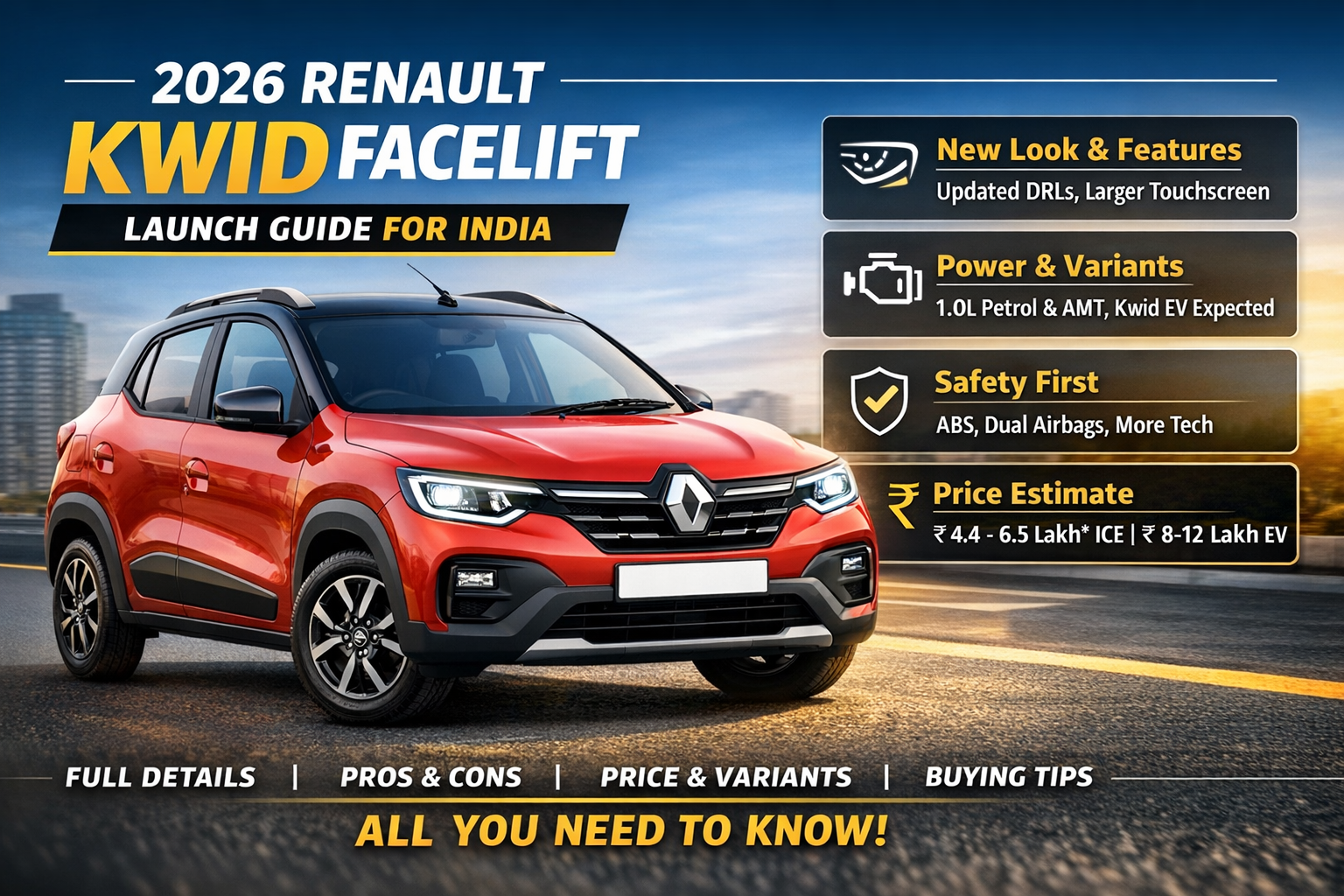
Renault is getting ready to release an updated version of the Kwid in 2026. It will have new lights, bumpers, and other design changes, as well as a larger infotainment system and some changes to the inside. It may also be marketed alongside an electric vehicle version called the Kwid EV/E-Tech.
Prices will be around the same as they are presently for the Kwid (₹4.3–6.0 lakh ex-showroom), but they will go up a little bit for new tech and variations. Read on to find out all you need to know, including the exterior, interior, engine, safety, estimated pricing and variations, a comparison with competitors, possible controversies, purchasing advice, frequently asked questions, and our final recommendation. Renault in India
What we already know (confirmed / well-reported bits)
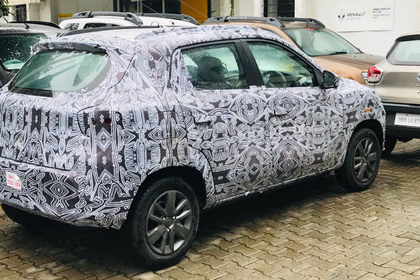
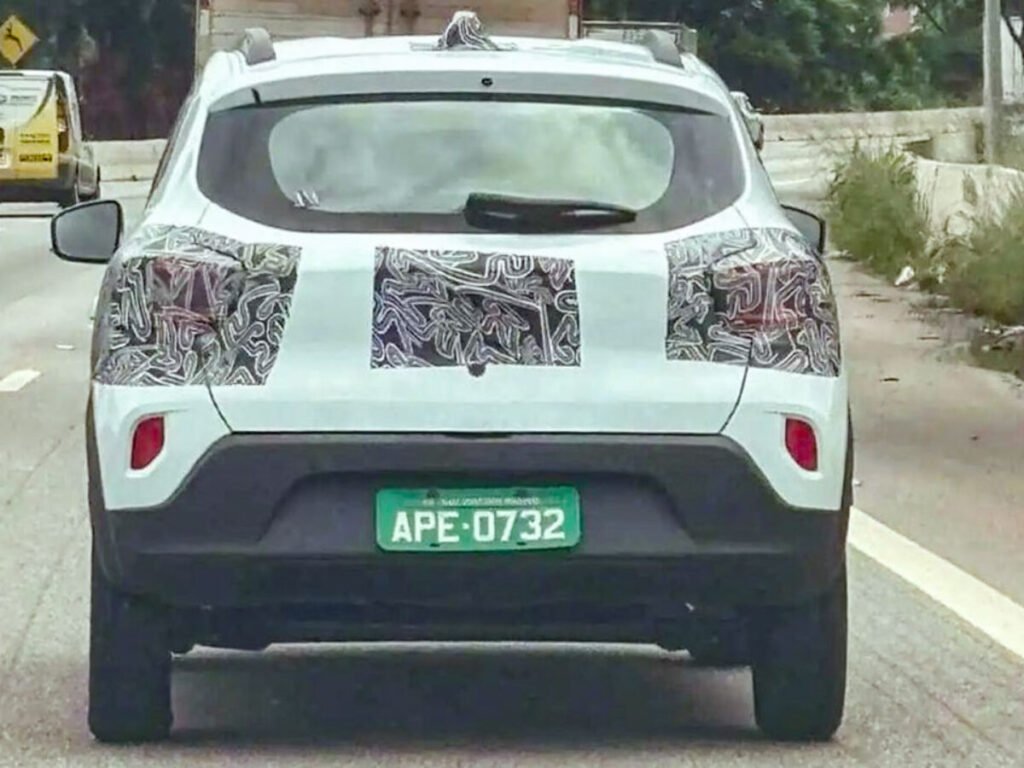
Several Indian car dealerships and spy photographers have seen development mules and formal reveals in other countries. The information below is what is evident from news reports and Renault announcements:
- People think that the new Kwid will have redesigned front and rear bumpers, a new headlamp/DRL signature (with Y-shaped DRLs), and pentagonal halogen headlights on ICE variants. These improvements to the design make it look more like Renault’s modern family face, which can also be seen on the Duster.
- Some test mules have spy photos that show small modifications to the appearance, such new bumpers and the shark-fin antenna moving to the back. Some versions also feature larger infotainment screens.
- In 2025, Renault showed off the Kwid EV (E-Tech or electric variant) in different nations. This means that Renault is likely bringing back the Kwid as a platform that might have both ICE and EV versions. People are talking of releasing it in India in 2026.
The existing Kwid’s pricing range and specifications in India are still the same (₹4.3 lakh to roughly ₹6.0 lakh ex-showroom for the top trims as of late 2025/early 2026). Expect the same basic pricing, but small price increases for the makeover or new technology.
Renault Kwid Facelift Exterior (What’s changed)
In the front
Expect a stronger bumper, a new grille design, and a new DRL signature (some rumors say the DRLs will be Y-shaped, like those on Renault’s newest models). This makes the Kwid look a little more like an SUV and a little more contemporary.
Higher trims may use projector or LED lights, however cheaper trims will still use halogen lights to save money.
Profile from the side
The Kwid’s “raised hatchback” shape will keep the same, so there won’t be any big alterations to the sheet metal. But you will probably see:
New wheel designs (sportier alloys on the higher-end models).
A shark-fin antenna shifted back (the roofline looks better).
Rear Profile
Spy photographs show that the facelifted model has Y-shaped tail lights that are crisper and more contemporary than the existing ones.
How it feels overall
The facelift is an improvement, not a change. It should maintain the Kwid appearing modern and in line with Renault’s newer design language without compromising what made the Kwid popular: its small size, upright posture, and big trunk.
Renault Kwid Facelift Interior
Dashboard & materials
Expect the same basic dashboard layout, but with finer materials and trim inserts in the higher trims. Renault tends to make cars seem better when they get a facelift (soft-touch where it counts, more layered design).
Plastics that save money will stay in the cheaper trims, although the fit and quality may be better.
Infotainment & displays
Bigger touchscreen: Reports and spy images claim that the facelift adds a bigger screen and maybe even a digital driver display in higher-end models, which is something that Indian consumers really want right now.
Software: Android Auto and Apple CarPlay should be available in the mid- and top-tier models. Renault may also offer voice prompts and new ways to connect your smartphone.
Seating & comfort
The Kwid’s seating arrangement and size are still two of its best features. There isn’t much room for your legs in the back, but it’s OK for city driving. You may expect tiny improvements in the upholstery and comfort.
The performance of the air conditioning and the manual controls are probably the same. The top trims have higher insulation in the interior.
Useful things
The boot space is still big for the class (Kwids have had about 279 liters in the past).
The quality of the storage cubbies, cup holders, and door pockets is probably better, but not completely new.
Renault Kwid Facelift ICE, AMT and EV Possibilities
ICE options (most likely scenario for India)
The 1.0-liter three-cylinder petrol engine, which has been around for a long time, will almost definitely stay the same (the present Kwid utilizes this engine with about 67 bhp and 91 Nm of torque). It will be partnered with:
- 5-speed manual transmission
- AMT (automated manual transmission) lets you drive in a way that is friendly to traffic.
Why Renault might keep this engine:
- It has been tested, is cheap to run, and has a service network already in place.
- Keeps prices down, which is a big reason why first-time buyers like a Kwid.
Hybrid / mild-hybrid? – unlikely in the 2026 facelift
Renault has not said officially that the Kwid would have a mild-hybrid version in India. Because of how sensitive people are to price, the facelift would probably only include ICE models. The EV model would be a different product line (Kwid EV / E-Tech).
EV (Kwid E-Tech / Kwid EV)
Renault has demonstrated the Kwid EV in several countries. This version includes an electric motor and battery pack that are built for low-cost urban EV markets. If India obtains it, you may expect:
- A smaller battery pack that is meant for city driving (for example, a real-world estimate of 200–300 km in mixed driving, depending on the battery).
- Ability to charge quickly (depends on the battery’s structure).
- A front-end and badging (E-Tech/EV) that are a little unusual.
Arrival time: Renault showed out the EV in other countries in 2025, and talks are still going on about when it would be available in India in 2026. However, the exact date and specs for India have not yet been set.
Renault Kwid Facelift 2026 Expected Price
The current baseline (prices from late 2025 to early 2026) for the Kwid ex-showroom is between ₹4.30 lakh and ₹5.99 lakh, depending on the model and extras.
The cost of the facelift will probably be:
Base facelift variant: similar to the existing base (₹4.4–4.6 lakh ex-showroom), with a minor increase probable.
Mid-spec facelift: ₹4.8–5.5 lakh before taxes.
The top-of-the-line makeover (with a bigger screen, a digital display, and AMT) costs between ₹5.5 and 6.5 lakh before taxes.
How the facelift compares to rivals (real-world shopping advice)
Key rivals in the same price/size space include:
- Maruti Suzuki Alto/Fronx/Other small hatchbacks (depending on model mix)
- Tata Tiago (value, safety)
- Hyundai Santro / Exter (depending on segment splits)
- Datsun redi-GO (older competitor)
- Small hatchbacks from Mahindra / others
Where Kwid scores
- SUV-ish styling at hatchback prices (appeals to young buyers)
- Practical boot and upright seating
- Low running cost and reasonable dealer network
Where rivals may edge ahead
- Safety: Tata often leads with safety equipment and crash test performance.
- Refinement and build: Hyundai / Maruti might offer better long-term reliability and wider service networks in some areas.
- Space and features: Tiago and some Hyundai models pack more features in some trims.
Tip for buying: If safety and long-term resale are your main concerns, look at both the Tiago and the Hyundai. The Kwid is still a good option if you care about value, mileage, and a modest urban footprint. Choose the highest-available model with the safety features you need (dual airbags, ABS) and the features you’ll really use.