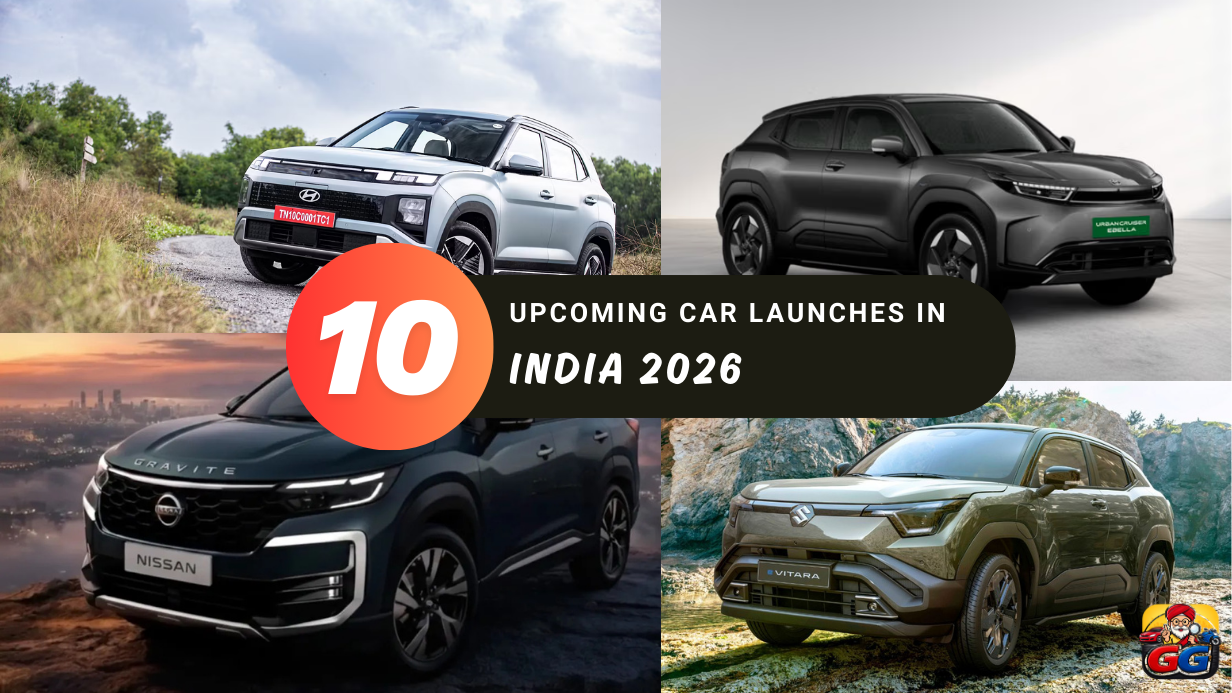
I’ve been following Indian automobile launches long enough to see a pattern: every year is called “the biggest year ever,” yet not many of them really are.
2026 does.
Not because manufacturers suddenly adore Indian customers, but because they can’t ignore us anymore. India is now the place where sales, EV adoption, and long-term profits all meet. That’s why 2026 is full with new SUVs, electric cars, hybrids, and a few comebacks that are really exciting.
This post might save you a few lakhs or at least a lot of remorse if you’re going to buy a car in late 2025 or 2026.
What 2026 Really Means for Indian Car Buyers
Before we talk models, here’s the truth no brand presentation slide will tell you:
- SUVs will dominate even more : sedans are not “dying”, but they’re clearly being sidelined.
- EVs will stop being experimental : range anxiety will reduce, pricing will still hurt.
- Hybrid tech will quietly win : especially from Japanese brands.
- Features will increase, build quality may not : yes, I said it.
Indian buyers are smarter now. We compare crash ratings, resale value, service costs, and not just touchscreen size. Manufacturers know this, and some are responding better than others.
1. Maruti Suzuki eVitara (Electric SUV)
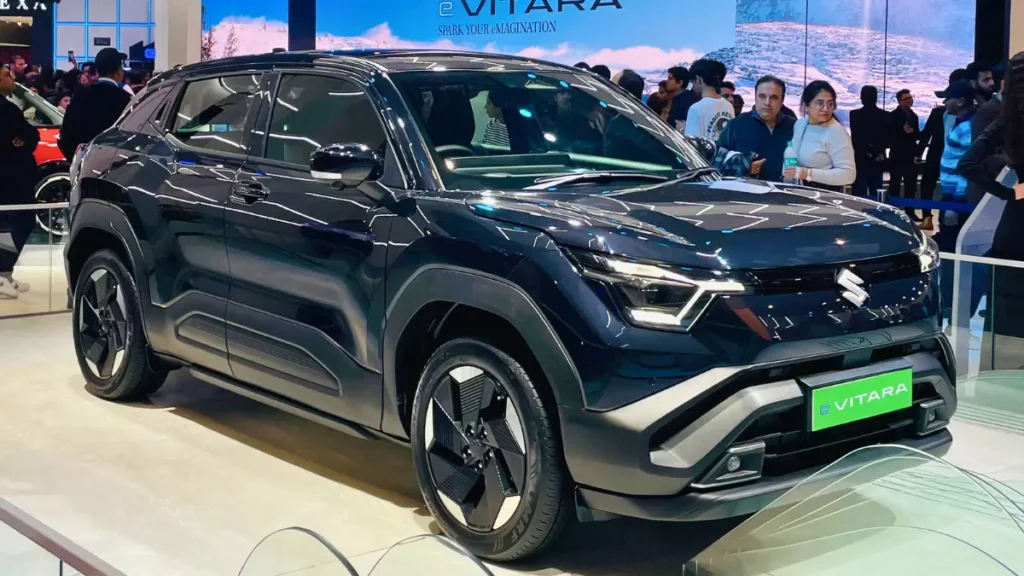
Maruti Suzuki – Playing Safe, But Smarter Than Ever
Expected launch: January–March 2026
Let me be very clear: this is Maruti’s most important car in a decade.
Critics say Maruti waited too long. But they weren’t sleeping, they were watching Tata and MG learn from their early failures with EVs.
What we know so far
- Mid-size electric SUV (Creta-segment)
- Built on a dedicated EV platform
- Expected real-world range: 450–500 km
- Heavy focus on reliability, not gimmicks
Expected price: ₹18–22 lakh (ex-showroom)
The controversy
People think Maruti would charge a lot for this. I don’t think they will. This won’t be a “cheap EV” because of the expenses of finding batteries, making them local, and offering a guarantee.
But here’s the thing:
This might become India’s most trusted EV if Maruti gets the battery warranty and after-sales assistance right, even if it’s not the most exciting one.
My take:
If you want an EV your family will actually accept, this is the one to watch.
2. Tata Sierra EV
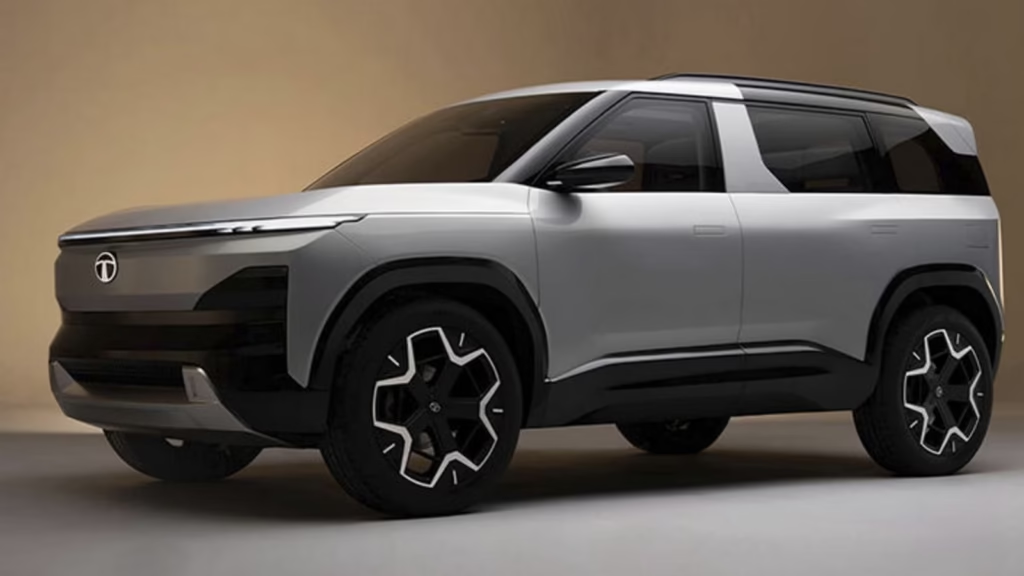
Tata Motors – The EV King, Now Facing Pressure
Expected launch: Mid to Late 2026
What’s exciting
- Proper SUV proportions
- Modern EV architecture
- Premium positioning
- Likely dual-motor option later
Expected price: ₹25–30 lakh
The real concern
Tata’s biggest enemy right now is consistency. Great design, great intent, but hit-or-miss fit and finish.
If Tata treats Sierra like a halo product (not another volume EV), it could redefine their brand.
My take:
Emotionally exciting. Logically? Wait for real-world reviews.
3. Mahindra XUV.e8 / BE Series EVs
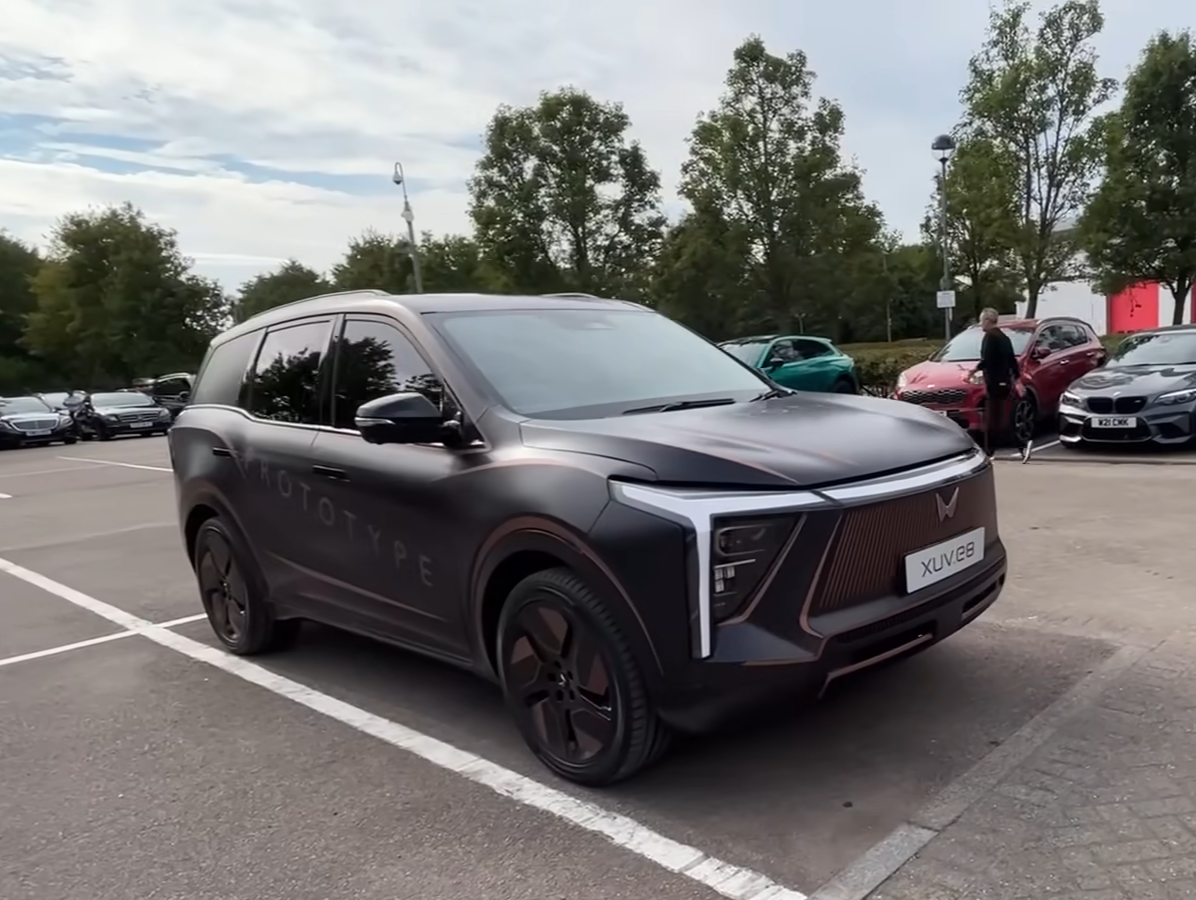
Mahindra – Aggressive, Loud, and Mostly Right
Expected launch: First Half of 2026
Mahindra is not playing defensive anymore. They want EV dominance period.
What to expect
- Bold, polarizing design
- Long-range batteries (500+ km claimed)
- ADAS, massive screens, futuristic interiors
Expected price: ₹22–30 lakh depending on variant
The controversy
Mahindra designs divide opinion. Some love them, Some hate them, There’s no middle ground.
Also, early batches could have software quirks, Mahindra is improving, but not perfect.
My take:
If you like bold cars and can tolerate first-gen issues, Mahindra EVs will be exciting.
4. Hyundai Creta EV
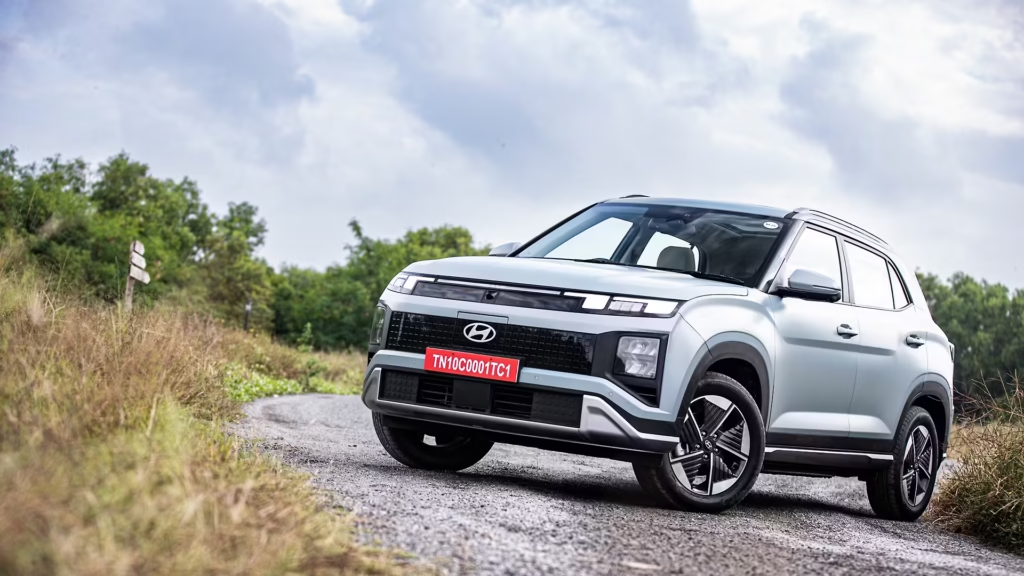
Hyundai – Safe, Feature-Loaded, Slightly Overpriced
Expected launch: Mid 2026
Hyundai understands Indian psychology better than most brands.
What Creta EV will offer
- Familiar design (this matters a lot)
- Smooth power delivery
- Class-leading features
- Strong service network
Expected price: ₹20–24 lakh
The elephant in the room
Will people pay EV money for a car that looks like a regular Creta?
Hyundai is betting that familiarity > novelty.
My take:
This will sell. A lot. Even if enthusiasts complain.
5. Toyota Urban Cruiser EV Ebella
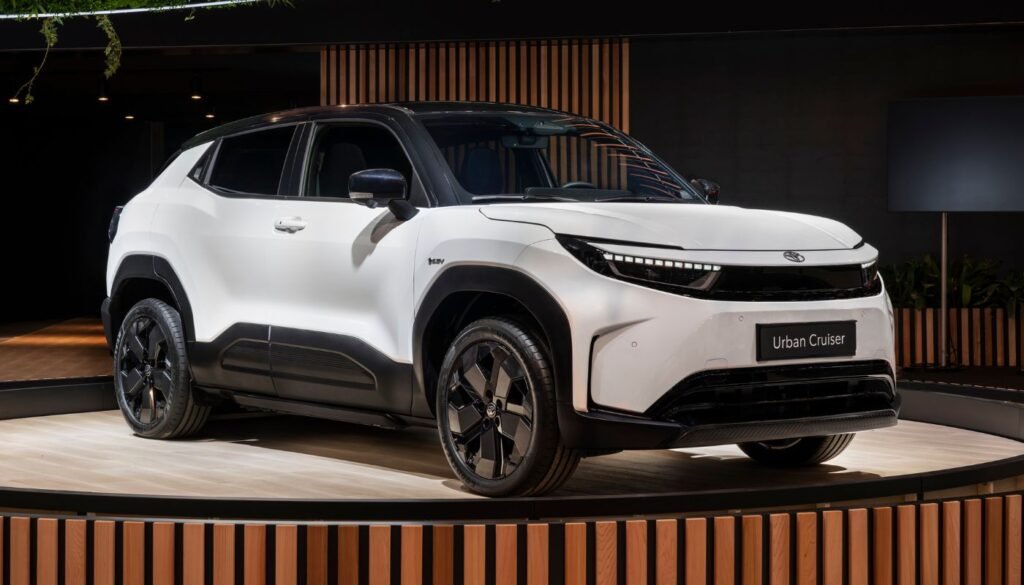
Toyota – Quietly Winning the Long Game
Expected launch: February–April 2026
Toyota doesn’t rush. And that’s exactly why their products age well.
What to expect
- Strong hybrid tech
- Conservative styling
- Bulletproof reliability
- Excellent resale value
Expected price: ₹18–23 lakh
Why hybrids matter
EV charging infrastructure is still inconsistent. Hybrids offer:
- City fuel efficiency
- No range anxiety
- Lower running costs
My take:
For Indian conditions, hybrids might make more sense than full EVs for the next 5–7 years.
6. Volkswagen Tayron (7-Seater SUV)
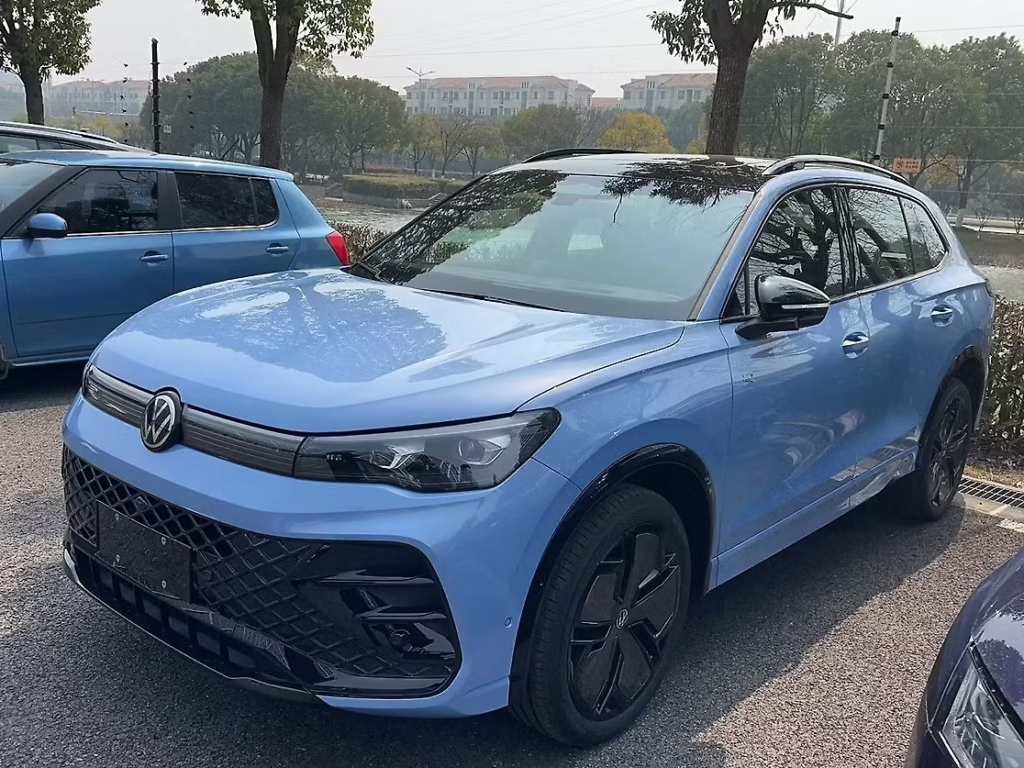
Volkswagen – Enthusiast Favourite, Sales Struggler
Expected launch: Mid 2026
Finally, VW is giving India a proper 7-seater.
What excites me
- Solid build quality
- Refined petrol engines
- European driving dynamics
Expected price: ₹35–45 lakh
The problem
VW’s service perception in India still scares buyers. Parts cost + dealer experience matters.
My take:
Amazing car. Niche audience. Won’t be a mass seller.
7. Renault Duster (Next Generation)
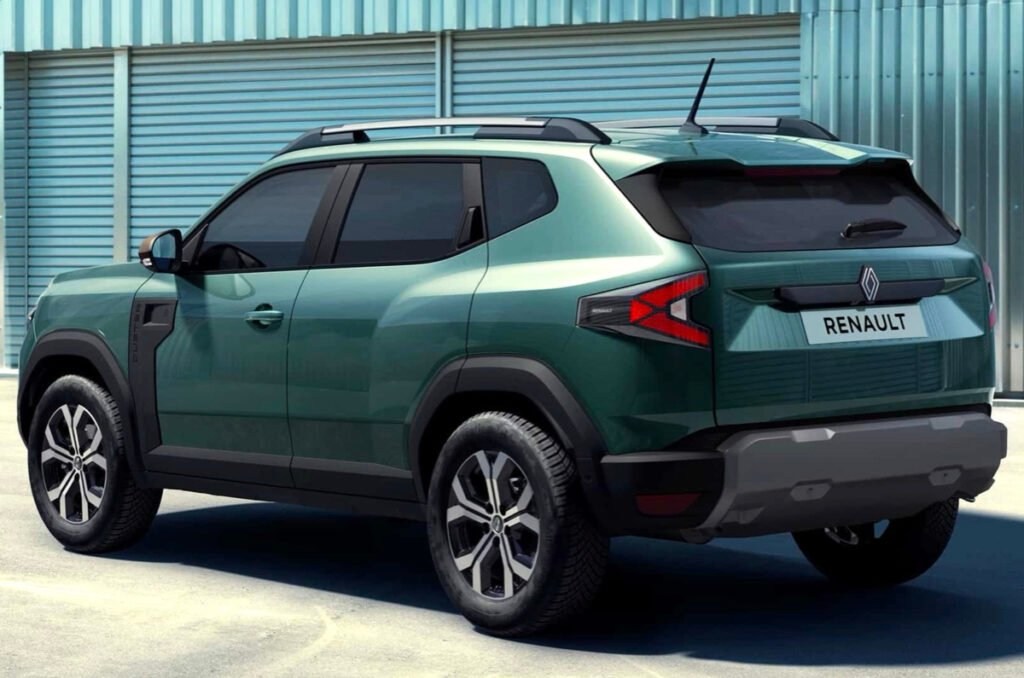
Renault – Betting Everything on One Name
Expected launch: Second Half of 2026
This is do-or-die for Renault India.
Why Duster still matters
- Legendary ride quality
- Robust build
- No-nonsense SUV feel
Expected price: ₹13–18 lakh
The risk
Renault’s dealer network is shrinking. Product alone won’t save them.
My take:
If priced right, Duster can still shock the segment.
8. BMW X3 30 xDrive
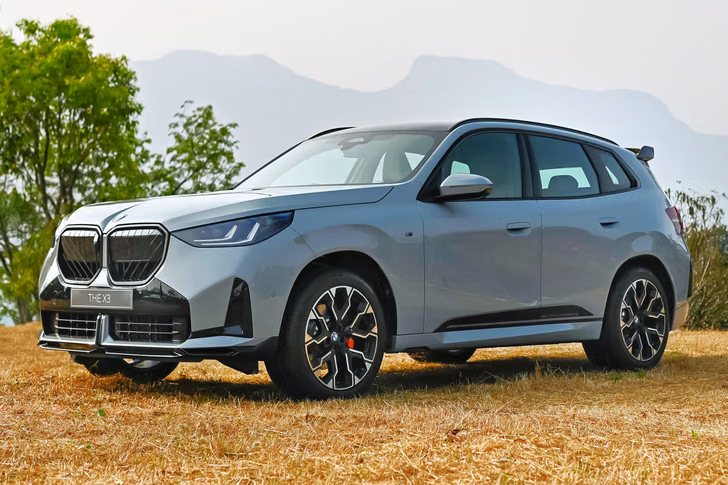
The BMW X3 30 xDrive is for buyers who want luxury but still care about how a car drives, not just how big the screen is. BMW knows the X3 has a loyal audience in India, and the next iteration is about refining that formula rather than reinventing it.
Positioning
- Premium mid-size luxury SUV
- Sits below X5, above X1
- Competes with GLC, Q5, Volvo XC60
Expected Powertrain
- 2.0L turbo petrol (30 xDrive)
- All-wheel drive as standard
- Smooth 8-speed automatic
- Focus on refinement + performance balance
Expected Price (India)
- ₹75–80 lakh (ex-showroom)
Pricing will be higher due to added tech, AWD standardisation, and inflation.
Expected Launch Date (India)
- Second Half of 2026
BMW is likely to launch it as a CBU first, followed by CKD depending on demand.
Key Features Expected
- Curved BMW digital display
- Latest iDrive system
- ADAS with improved lane assist
- Premium interior materials
- Adaptive suspension (higher trims)
What Works
- Excellent driving dynamics
- Strong petrol engine + AWD grip
- Premium cabin feel
- Brand value + resale
Concerns
- Expensive to buy and maintain
- Not the most spacious rear seat
- No diesel may disappoint some buyers
My Take
If driving pleasure still matters to you in a luxury SUV, the X3 30 xDrive remains one of the most satisfying choices. It’s not flashy, but it feels right every time you drive it — and that’s very BMW..
9. Nissan Gravite
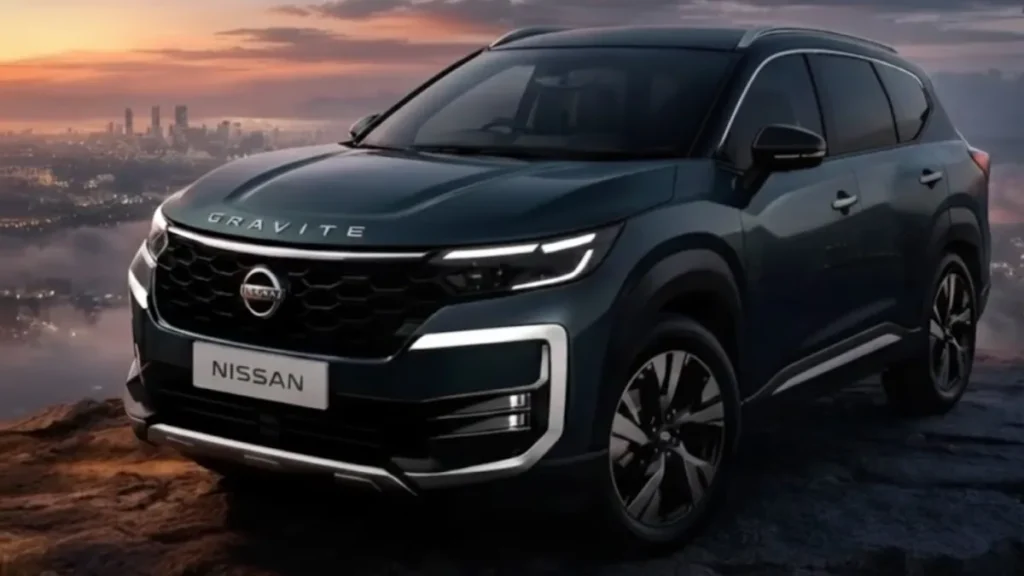
The Nissan Gravite is built for one job only: bring Nissan back into relevance. It’s a practical 7-seater aimed squarely at value-conscious Indian families.
Expected launch :17 February 2026
Positioning
- 7-seater SUV / MPV crossover
- Targets Alcazar, Carens, XUV700 base variants
- Focus on space and comfort
Expected Powertrain
- 1.5L petrol
- CVT automatic likely
- No diesel expected
Expected Price
- ₹14–18 lakh (ex-showroom)
What Works
- Good cabin space
- Smooth CVT tuning
- Family-friendly layout
Big Concern
- Weak dealer network
- Long-term brand commitment doubts
- Resale value uncertainty
My Take
If Nissan prices this aggressively and backs it with strong warranty support, the Gravite can work. Otherwise, buyers will hesitate.
10. MG Motor Majestor
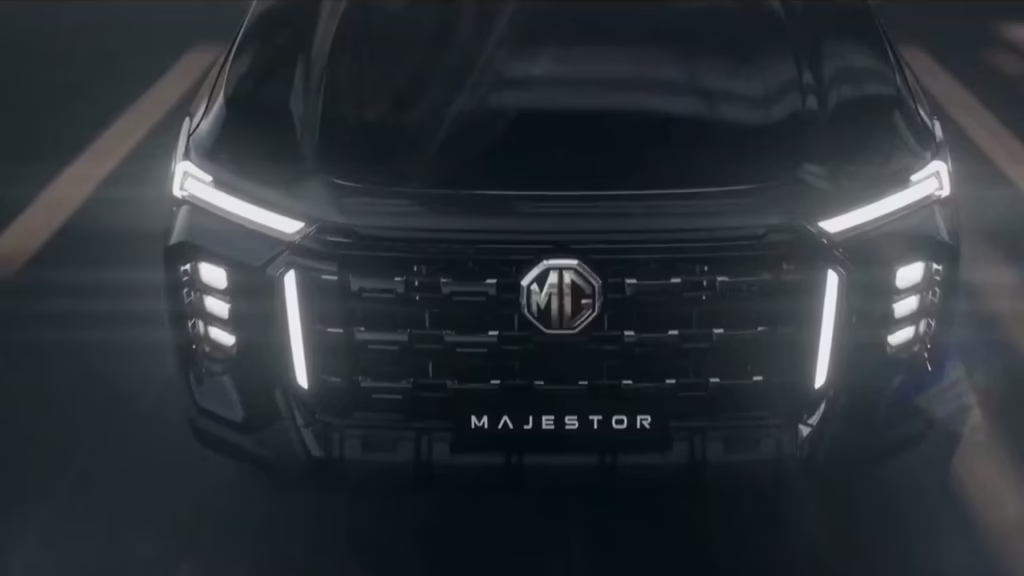
Expected launch : 12 February 2026
The MG Majestor is aimed directly at Fortuner buyers who want luxury and tech over rugged image. It’s big, bold, and unapologetically premium.
Positioning
- Full-size premium SUV
- Focus on comfort and features
- Highway cruiser, not hardcore off-roader
Expected Powertrain
- 2.0L diesel
- Automatic gearbox
- AWD possible on higher trims
Expected Price
- ₹40–45 lakh (ex-showroom)
What Works
- Massive road presence
- Feature-loaded interior
- Comfortable, refined driving experience
Where It Struggles
- Brand perception vs Toyota
- Resale value concerns
- Not an off-road icon
My Take
If resale and badge image don’t matter to you, the Majestor feels more modern and luxurious than most rivals.
Luxury Brands: More EVs, Higher Prices, Smaller Volumes
BMW, Audi, and Mercedes-Benz are all lining up:
- More electric SUVs
- Higher localization
- Prices starting ₹60 lakh and going north very quickly
These cars aren’t for most buyers, but they push tech and perception forward
Final Advice From Me to You
If you’re buying in 2026, ask yourself three questions:
- Do I really need an EV today?
- How long will I keep this car?
- Does the service network matter more than features?
Because glossy launches don’t tell you:
- resale value
- service experience
- long-term reliability
That’s where smart buyers win.
What I’d Personally Wait For
- Maruti eVitara (for peace of mind)
- Toyota hybrids (for practicality)
- Mahindra EVs (if you like bold tech)
What I’d Approach Carefully
- First-gen luxury EVs
- Overpriced “badge value” cars
- Feature-heavy but poorly built models
In the end, 2026 isn’t about getting the newest automobile, it’s about picking the one that works best for how Indians drive, live, and spend.
I’ve seen too many people get overly excited about a new product only to regret it six months later when servicing fees go up or the range isn’t as good as they thought it would be. Don’t rush, don’t get caught up in spec-sheet drama, and don’t forget about long-term ownership simply because a car looks cool today.
The automobiles that will be available in 2026 will provide us more choices than ever before, including electric vehicles, hybrids, and robust petrol SUVs.
A savvy buyer won’t ask, “Which car is popular right now?” Instead, they’ll ask, “Which car will still make sense in five years?” That’s the difference between getting a car and getting peace of mind. That’s what GaadiGyaani is here to help you do.