Something interesting is brewing inside Maruti Suzuki. Not loudly. Not with flashy teasers or dramatic unveilings. Quietly. Methodically. Almost the way the company has always worked when it plans its next big move in the small-car world.
And if the reports floating around the industry are anything to go by, the brand is preparing four new compact cars that could shape the next chapter of its lineup. Different technologies. Different buyer groups. Same familiar philosoph, practical, efficient and priced for the masses.
That alone tells you something about where the market is heading.
Because the small car segment isn’t what it used to be. Regulations are tighter. Fuel technology is evolving. Electric mobility is slowly stepping out of the experimental stage and entering the everyday conversation of buyers.
So instead of putting all its chips on one technology, Maruti seems to be playing a broader game.
Four directions, actually.
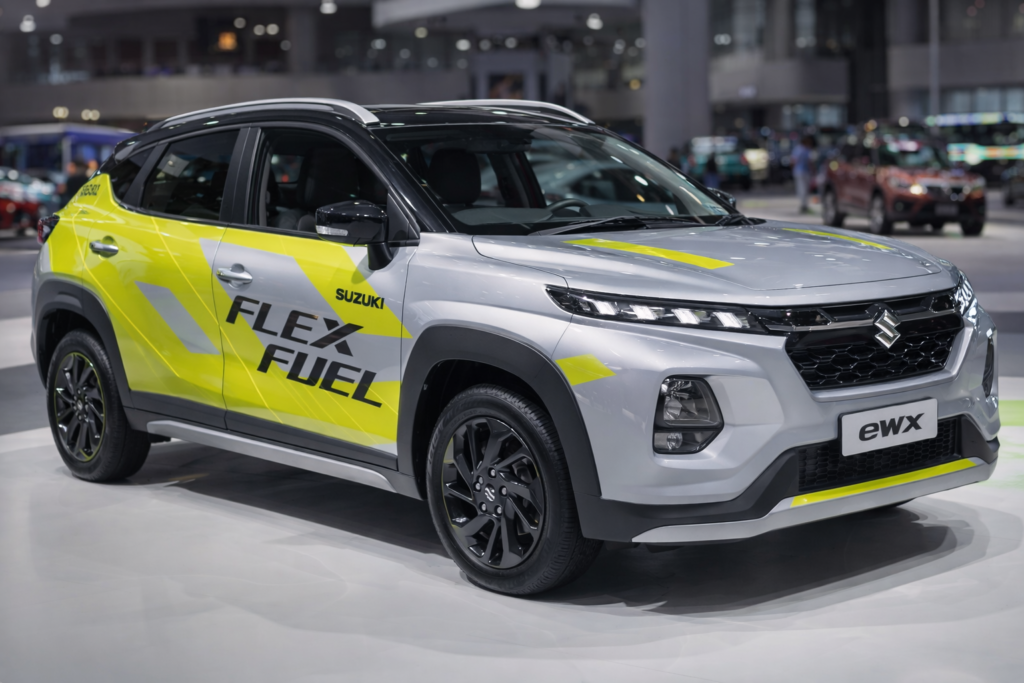
One of the most talked-about developments right now revolves around the Maruti Suzuki Fronx. More specifically, a flex fuel version of the crossover.
Now flex fuel might sound like a technical buzzword at first. But the idea behind it is fairly simple. The engine can run on varying blends of ethanol and petrol, which fits perfectly with the government’s push toward higher ethanol blending in the coming years.
And honestly, it makes sense for a brand like Maruti to explore this path early.
The Fronx itself has already become a popular compact crossover thanks to its coupe-inspired design and city-friendly efficiency. A flex fuel version would likely continue using the familiar 1.2 litre engine architecture, but with modifications that allow it to handle higher ethanol blends safely.
From a buyer’s perspective, not much may change on the outside. Same styling. Same practicality. Same easy-to-live-with driving character.
Price? If early expectations hold true, it could stay close to the current range of roughly Rs 7.5 lakh to Rs 13 lakh, depending on the variant.
And that could make it one of the first widely accessible flex fuel crossovers in the compact segment.
While that project addresses evolving fuel policy, Maruti is also peeking into the electric future. Carefully, though. The company has never been one to rush headfirst into new technology.
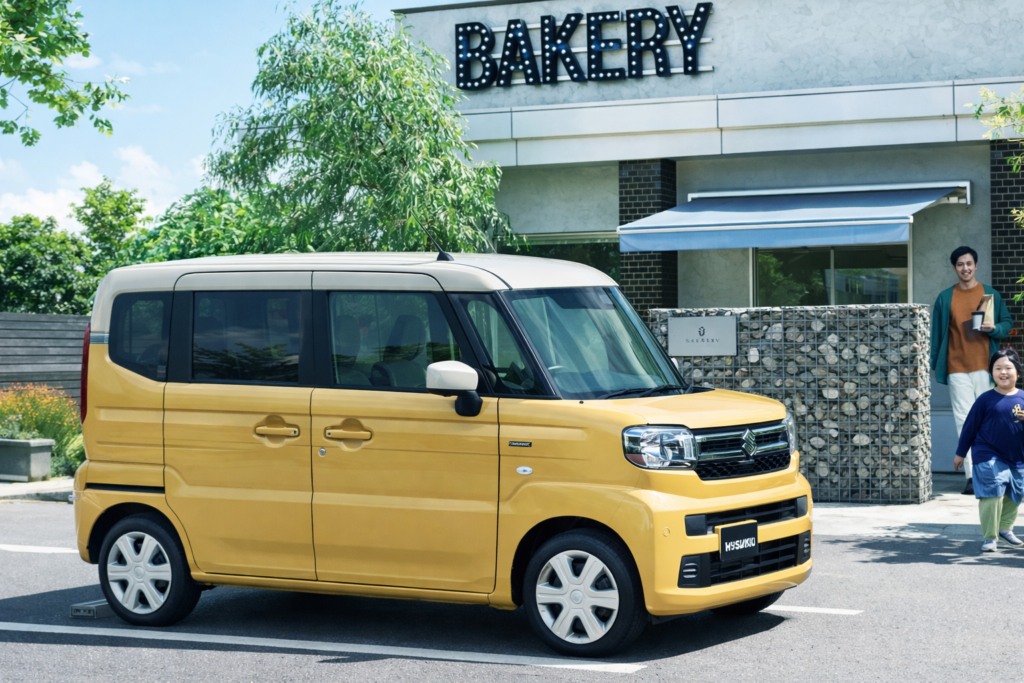
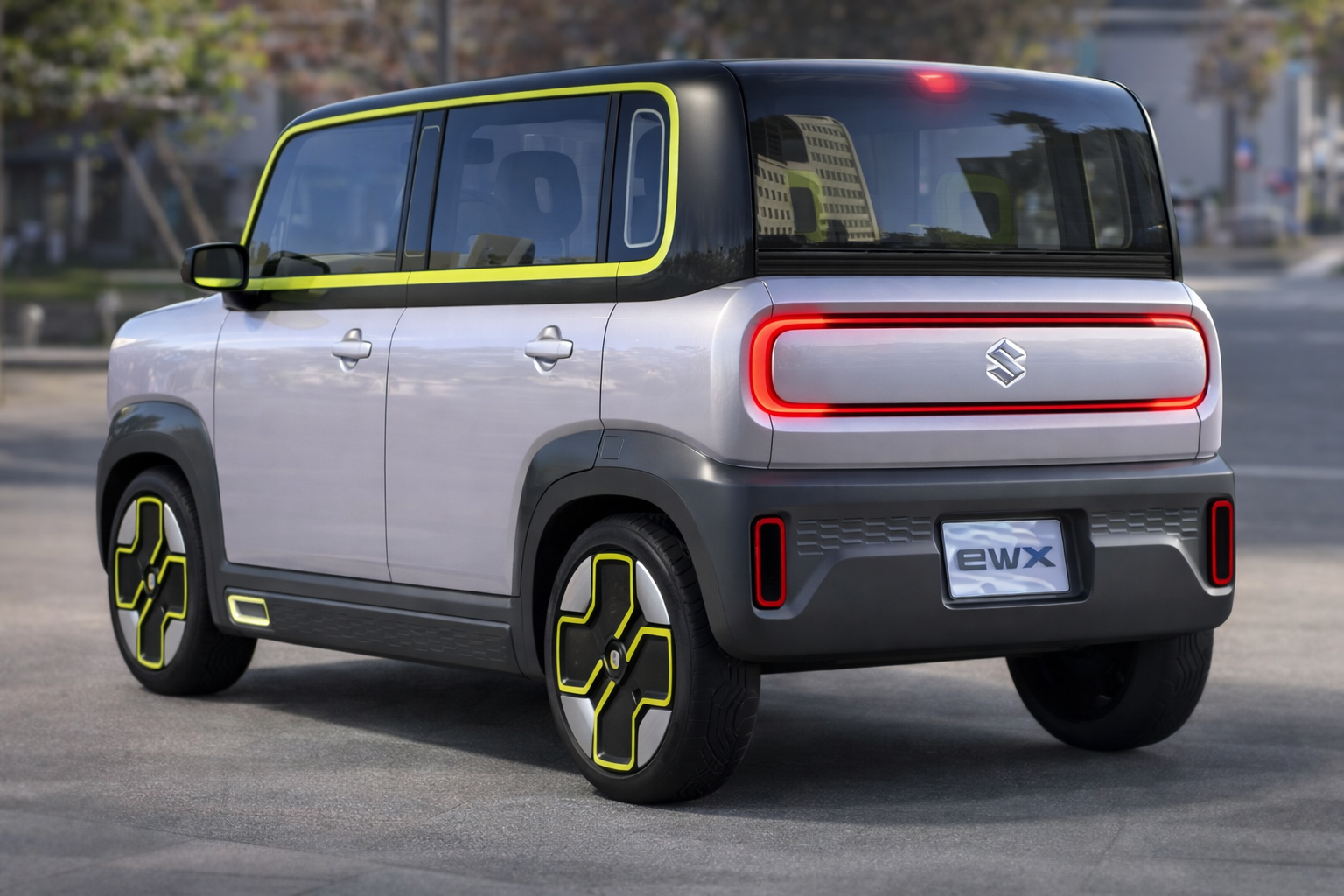
That’s where the Suzuki eWX concept quietly enters the picture.
Originally revealed as a quirky little electric hatchback concept, the eWX grabbed attention for its playful design and compact proportions. Almost toy-like, in a charming way.
The production version, however, will almost certainly tone things down. A bit more practical. A bit more conventional. Still small, though because the idea here is simple: create an affordable electric city car.
Industry chatter suggests this eWX-based EV could land somewhere in the Rs 10 lakh to Rs 13 lakh range, depending on battery size and features.
That would position it as one of the most accessible electric cars in Maruti’s future portfolio.
Driving range? Likely around 200 km to 300 km per charge. Which, to be honest, is perfectly adequate for daily urban commuting. Office runs. School pickups. Grocery trips. You know the drill.
But the story doesn’t end with new technology.
Sometimes evolution matters just as much as revolution. And that brings us to the next chapter of a familiar name, the Maruti Suzuki Baleno.
The Baleno has quietly built one of the strongest reputations in the premium hatchback space. Spacious cabin, good mileage, easy ownership experience. The sort of car families end up recommending to each other.
The current generation arrived in 2022, yet development work for the next generation Baleno is reportedly already underway.
What changes could we see?
Possibly stronger hybrid integration. Maruti has been steadily expanding its hybrid technology across the lineup, and the next Baleno could benefit from improved efficiency without pushing the price too high.
Design tweaks are also expected. Sharper styling, updated cabin layout, a larger infotainment display perhaps. Nothing too radical — the Baleno formula works, after all.
Pricing will likely remain in familiar territory, roughly Rs 7 lakh to Rs 11 lakh, keeping it competitive in the premium hatchback space.
And then comes the final piece of this puzzle. Perhaps the most quietly strategic one.
A new compact MPV.
Right now, Maruti’s MPV lineup revolves around the Maruti Suzuki Ertiga and Maruti Suzuki XL6. Both successful, no doubt. But there’s still a big chunk of buyers who want a three-row vehicle and simply cannot stretch their budget that far.
That’s the gap this upcoming compact MPV could target.
Think of something smaller than the Ertiga, possibly built on an existing small-car platform to keep costs in check. Practical seating. Decent efficiency. Affordable ownership.
Expected pricing? Early speculation places it somewhere between Rs 6 lakh and Rs 9 lakh.
Which, if it actually happens, could unlock a whole new group of buyers, first-time car owners, growing families, even small business users.
Of course, there’s always the tricky part. Balancing affordability with new technology.
Electric drivetrains. Hybrid systems. Alternative fuel engines. None of these are cheap to develop. And Maruti buyers traditionally expect strong value for money.
So the company will have to walk a bit of a tightrope here.
Still, if there’s one manufacturer that understands the psychology of the compact car buyer almost instinctively, it’s Maruti Suzuki. Decades of experience. Millions of cars on the road.
These four upcoming compact vehicles, flex fuel crossover, electric hatchback, next generation premium hatchback and a budget MPV, hint at a broader strategy.
Not one future. Multiple futures. And that, in a way, feels very Maruti.