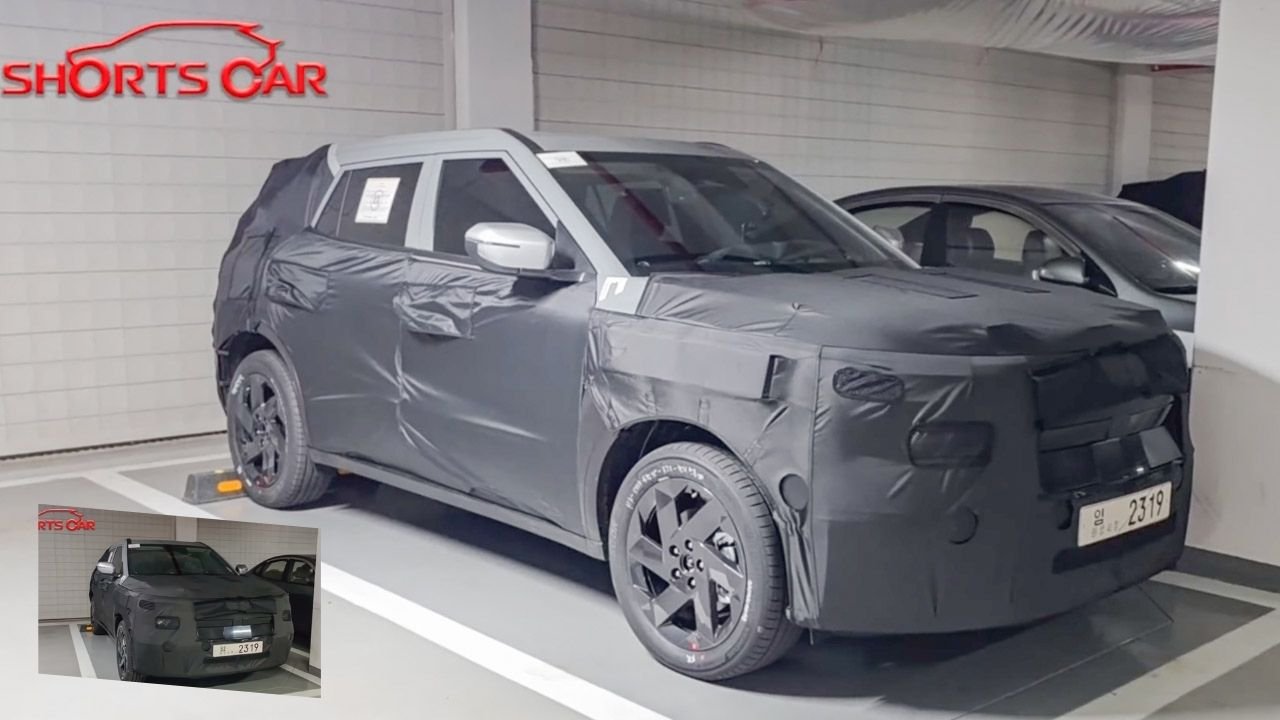
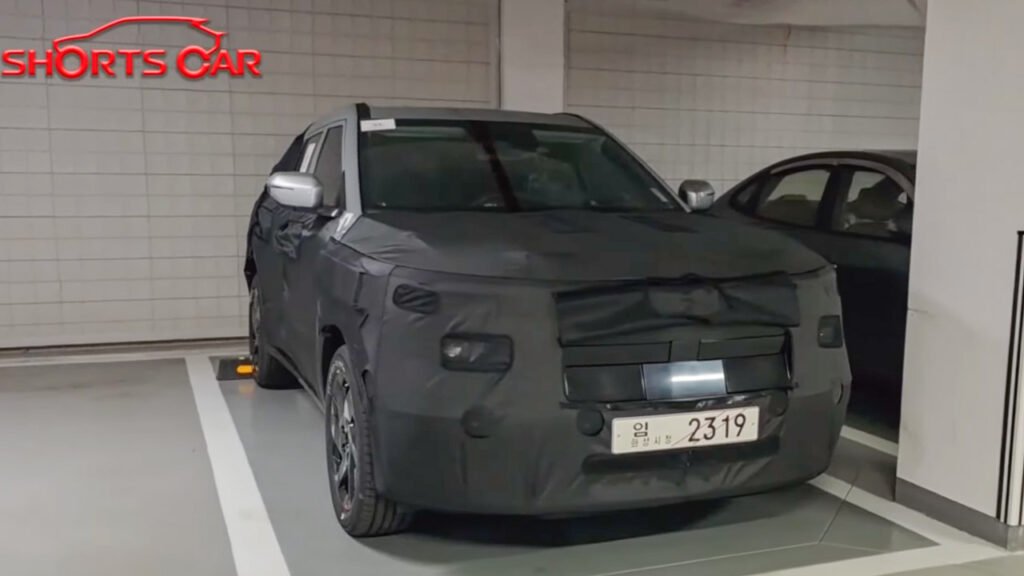
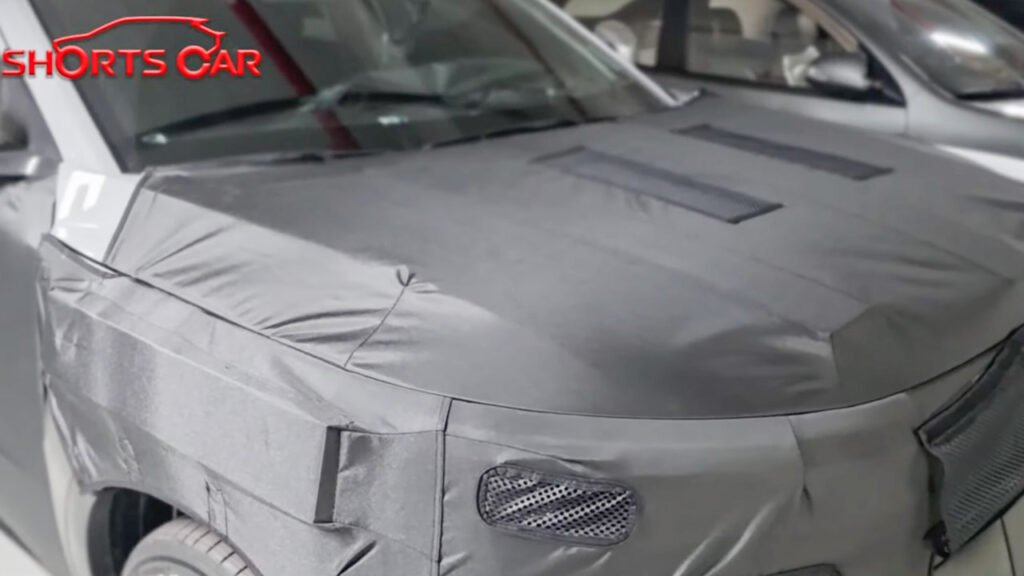
A heavily camouflaged test mule of the next-generation Hyundai Creta has been spotted in South Korea, offering a closer look at what could be one of the biggest updates to Hyundai’s bestselling SUV. The prototype appears to be a mid variant and shows signs of a more upright and slightly boxier design compared to the current model.
Creta 2027 Design Details
The new Creta is expected to feature pixel-style LED lighting elements, a design theme Hyundai has started using in several of its newer vehicles. The daytime running lights appear slimmer and could be connected by a full-width LED strip. The headlamps remain positioned in a similar area as the current model, but the internal lighting design is likely to be updated. Changes to the grille and bumper are also expected, although they remain hidden under camouflage.
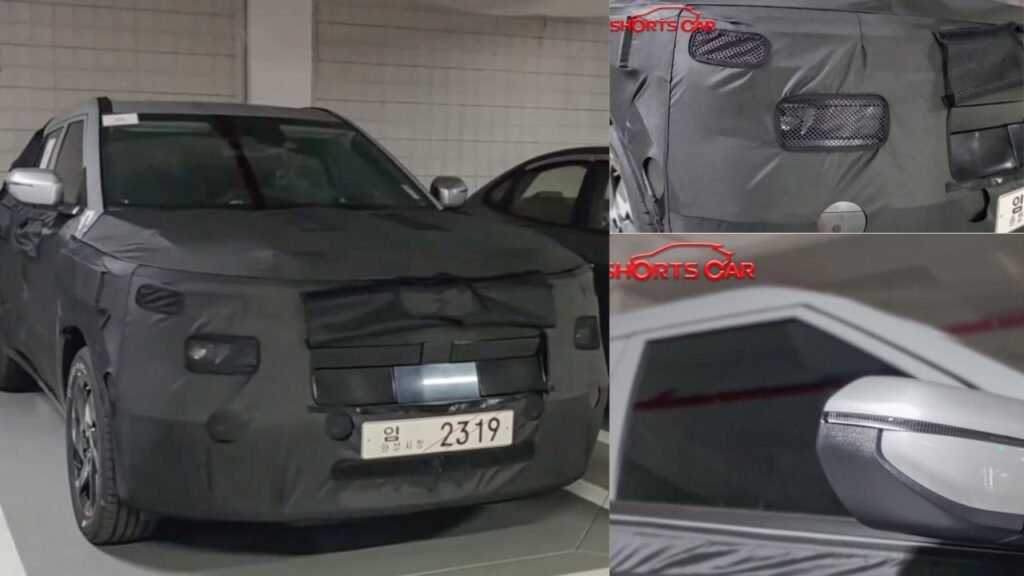
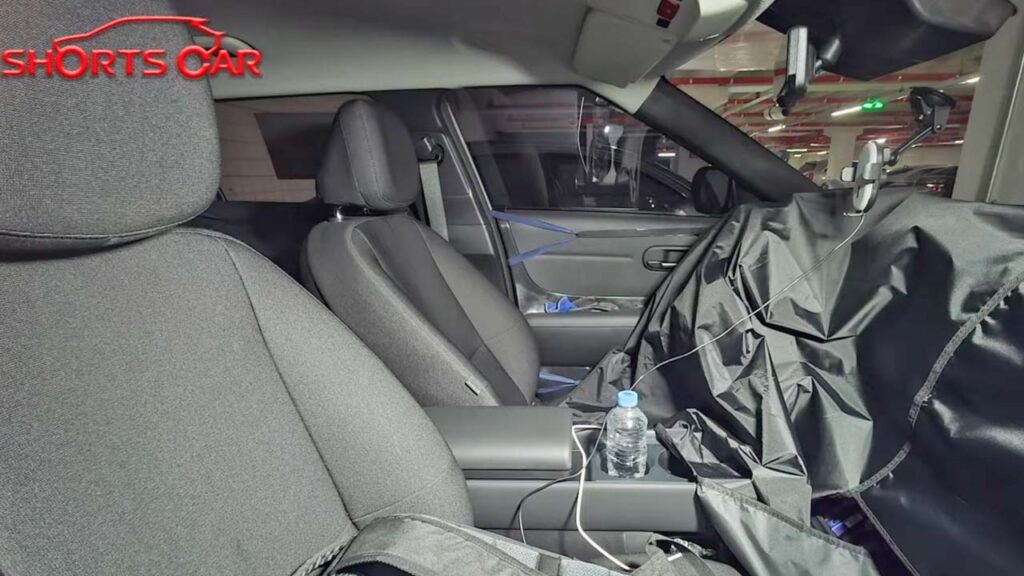
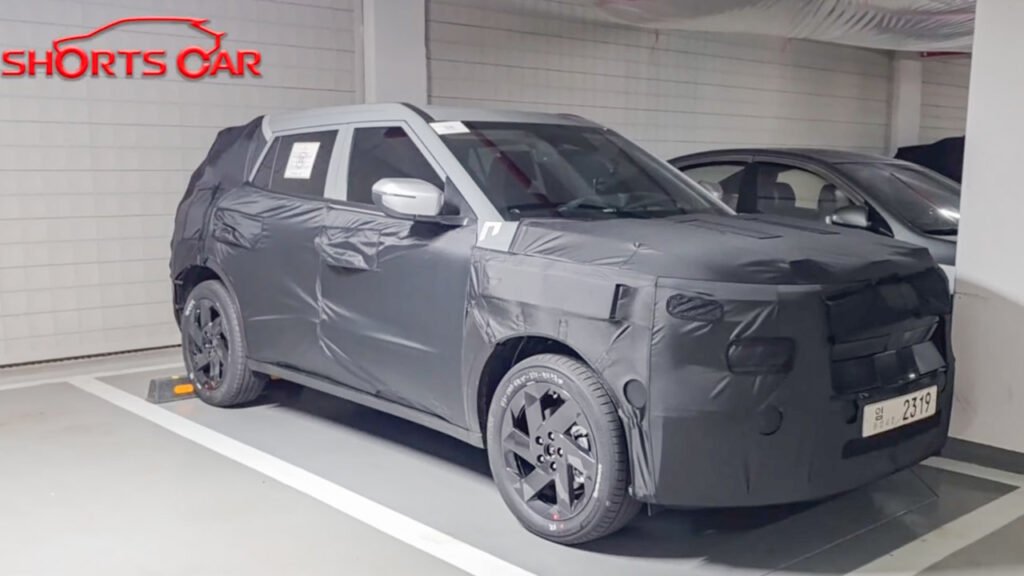
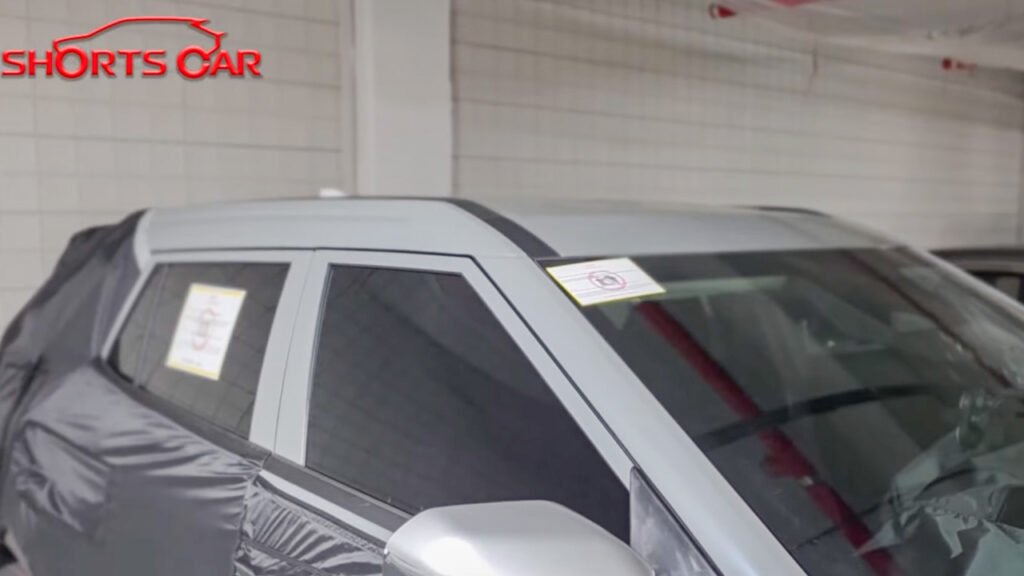
The spotted prototype rides on 18-inch alloy wheels wrapped in Hankook tyres. This particular test vehicle appears to be a mid or lower variant, as it does not feature roof rails and the side mirrors do not show integrated cameras for a 360-degree surround view system. The interior visible through the windows shows fabric seats instead of leather upholstery.
From the side, the overall silhouette remains similar to the current Creta, including a gently sloping roofline. However, the SUV appears slightly more upright. Body-coloured ORVMs with integrated turn indicators are visible on the test vehicle. At the rear, the new Creta is expected to get connected LED tail lamps and a redesigned bumper with horizontally placed reflectors.
Bigger Size with New Platform
A major change for the next-generation model will be the shift from Hyundai’s current K2 platform to the newer K3 platform. This platform is already used in the latest Kia Seltos and offers improved structural rigidity, handling and safety potential. With the new architecture, the Creta is also expected to grow in size.
Reports suggest the SUV’s length could increase from about 4,330 mm to close to 4,500 mm. A longer body could translate into improved rear seat space and a slightly larger boot, making the SUV more practical for family buyers.
At launch, the next-generation Creta is likely to continue with the existing engine lineup. This includes the 1.5-litre naturally aspirated petrol engine producing 115 PS, offered with a 6-speed manual and iVT transmission. The 1.5-litre turbo petrol engine producing around 160 PS is expected to remain paired with a 7-speed DCT. Hyundai is also expected to continue offering the 1.5-litre diesel engine producing 116 PS with manual and automatic gearbox options.
Engine options likely to remain the same
At launch, the next-generation Creta is likely to continue with the existing engine lineup. This includes the 1.5-litre naturally aspirated petrol engine producing 115 PS, offered with a 6-speed manual and iVT transmission. The 1.5-litre turbo petrol engine producing around 160 PS is expected to remain paired with a 7-speed DCT. Hyundai is also expected to continue offering the 1.5-litre diesel engine producing 116 PS with manual and automatic gearbox options.
The next-generation Creta is expected to debut later this year or in 2027, and more details about its design, features and powertrain options are likely to emerge as testing continues.