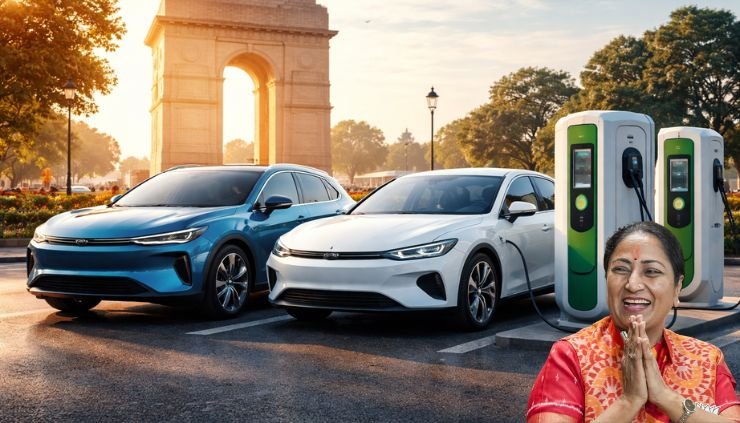
Delhi EV Policy 2026 offers up to ₹1 lakh subsidy on electric cars along with tax benefits and incentives for two wheelers and autos. The benefit is limited to select buyers and conditions, making early adoption crucial for maximum savings.
What Delhi EV Policy 2026 Really Means For Car Buyers
If you have been thinking about switching to an electric car, this policy might finally push you to take that step. Delhi EV Policy 2026 is not just another update. It is a serious attempt to make EVs feel less expensive and more practical.
The headline number is ₹1 lakh. But like every good deal, the real story is hidden in the details.
₹1 Lakh Subsidy Explained In Simple Terms
The ₹1 lakh benefit is linked directly to battery size, which means bigger battery cars get higher incentives. However, there is a cap, and not everyone will receive the full amount.
More importantly, this benefit is expected to be limited to a certain number of buyers. That changes everything. It turns the subsidy into a time-sensitive opportunity rather than a guaranteed discount.
So the question is not just how much you save, but when you decide to buy.
How Much You Actually Save On A Car
From a buyer’s perspective, the total benefit is more than just the headline number. When you combine subsidy with waived road tax and registration charges, the savings start to feel significant.
For a mid-range electric car, the overall reduction in cost can realistically reach around ₹2.5 lakh or even more. That is the kind of difference that can shift someone from a petrol car to an EV without second thoughts.
And this is exactly what the policy is trying to achieve.
What About Electric Bikes And Scooters
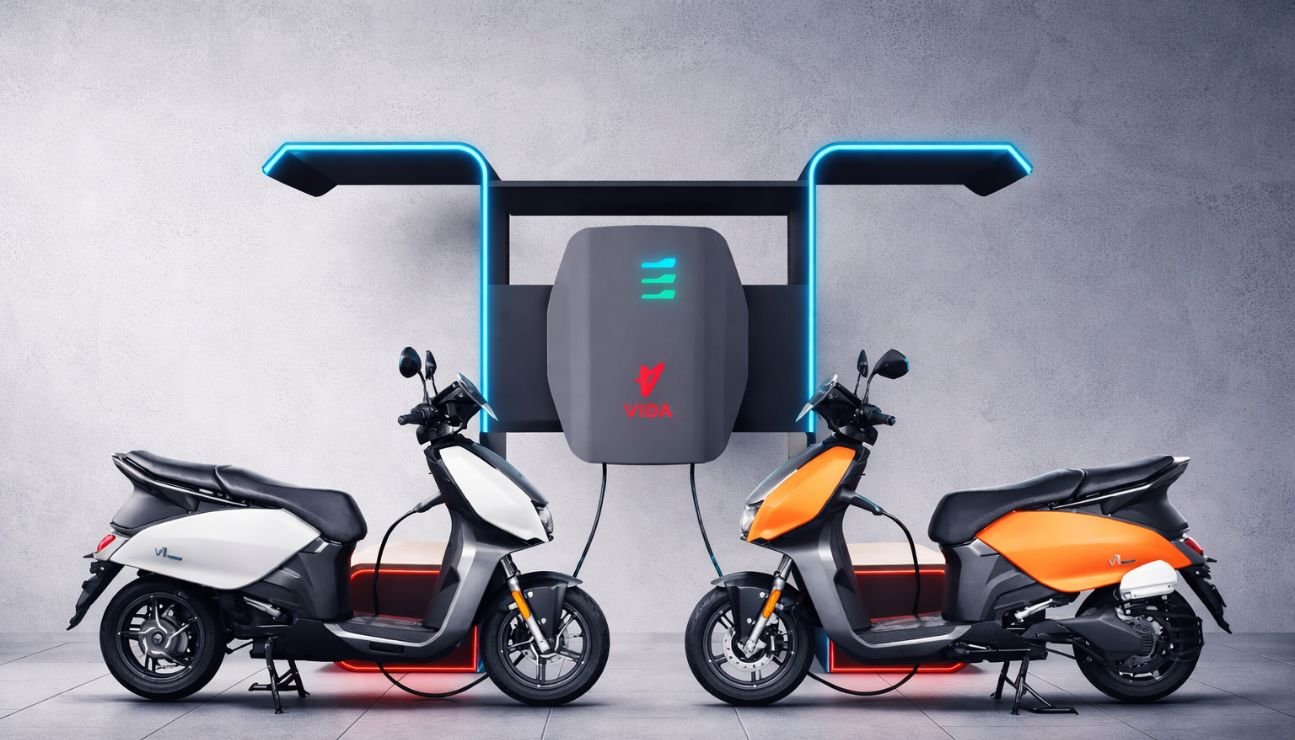
While cars are getting the spotlight, two wheelers are still very much part of the plan. The incentives here are smaller, but still meaningful for daily commuters.
The added push for women buyers shows a clear intent to expand adoption across different user groups. Still, compared to earlier policies, the focus has clearly shifted towards higher value vehicles.
Why Commercial EVs Matter More Than You Think
Three wheelers and cargo vehicles may not grab headlines, but they are the real workhorses of the city. These vehicles run longer distances every day, which means electrifying them delivers faster environmental benefits.
The policy supports this segment with decent incentives, and honestly, this is where the biggest real-world impact will come from.
The Hidden Side Most Buyers Ignore
This is where things become slightly complicated. The subsidy is not unlimited, and that creates a gap between expectation and reality.
There is a strong chance that early buyers will benefit the most, while others may get reduced incentives or none at all. Add to that the fact that the policy is still evolving, and you have a situation where timing becomes critical.
It is not just about choosing the right car anymore. It is about choosing the right moment.
The Controversy Around The Policy
No policy of this scale comes without questions. One of the biggest concerns is fairness. When benefits are limited, not every buyer gets equal advantage.
There is also the infrastructure debate. Charging networks are improving, but they are not evenly distributed yet. For many buyers, this still remains a deciding factor.
Then comes the financial side. High subsidies look attractive today, but people are already wondering how long this level of support can continue.
Why This Policy Feels Like A Shift
Earlier, EV policies were about encouraging people to consider electric vehicles. This one feels like it is pushing people to actually make the switch.
The focus has moved from awareness to adoption. From small savings to meaningful financial impact.
For car enthusiasts, this is the moment where EVs stop being a future idea and start becoming a present reality.
Delhi EV Policy 2026 is not just about saving ₹1 lakh. It is about changing how people look at electric cars.
If you get the timing right, the deal is genuinely strong. If you miss that window, the same car might suddenly feel more expensive.
That makes this policy exciting, but also slightly unpredictable.
And maybe that is exactly what makes it powerful.