The luxury SUV market is moving quickly, and one of the most interesting things happening is that famous models are becoming electric. The Range Rover Velar is getting ready to go fully electric. It is noted for its elegant look, high-end luxury, and strong presence on the road. Recently, people have seen prototype versions of the next-generation Velar testing in Europe and places with cold weather. It is thought to be a fully electric SUV.
This is a major thing for Indian SUV fans: a high-end British SUV becomes electric, combining Range Rover style with the latest EV technology. We’ll go over all you need to know in our complete guide, from design and specs to price expectations and issues.
Spy Shots & What They Reveal
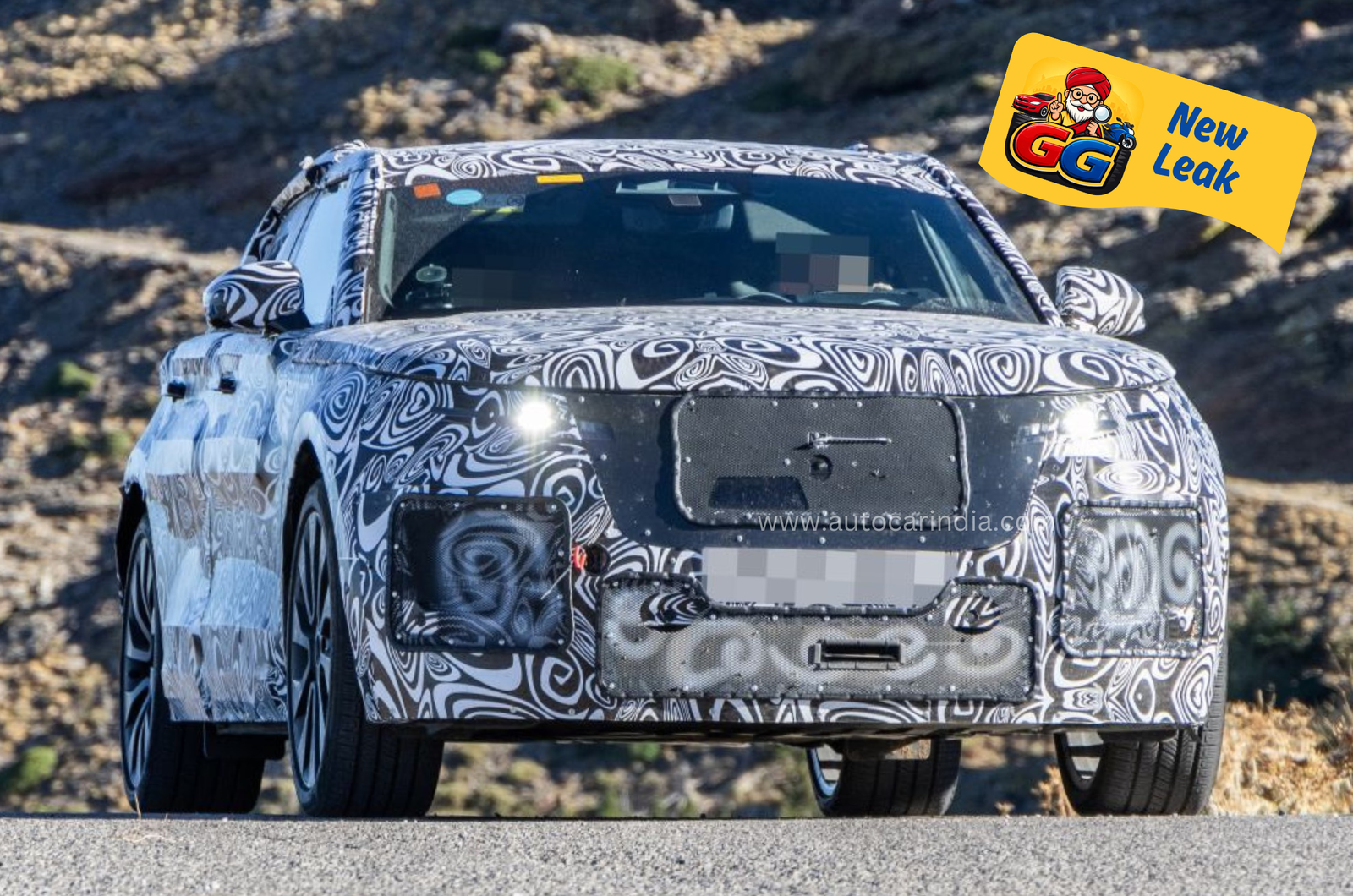
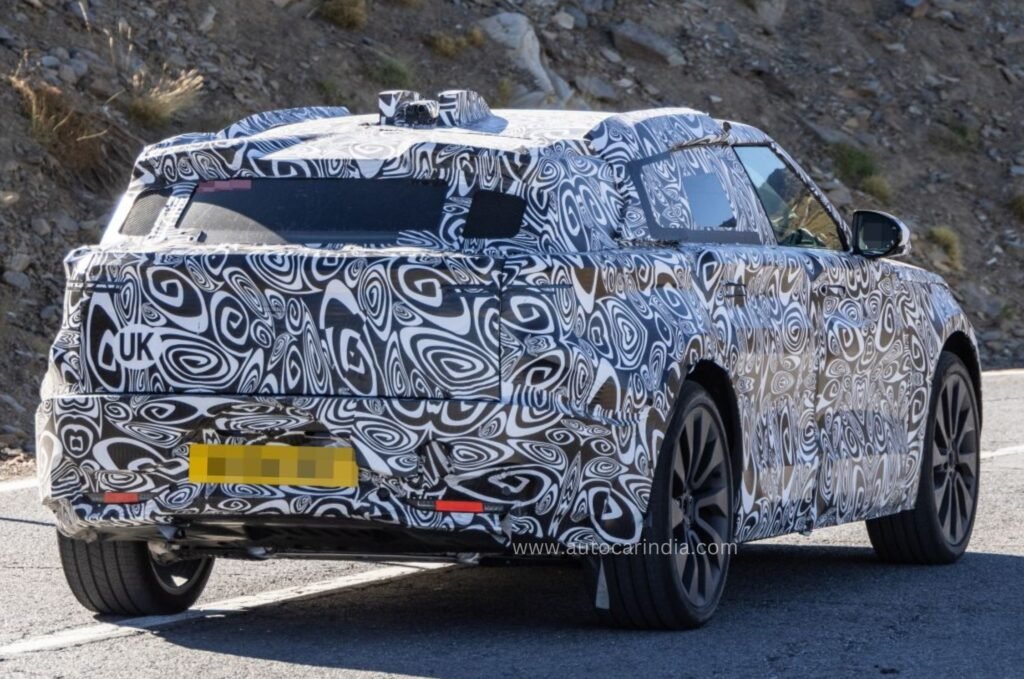
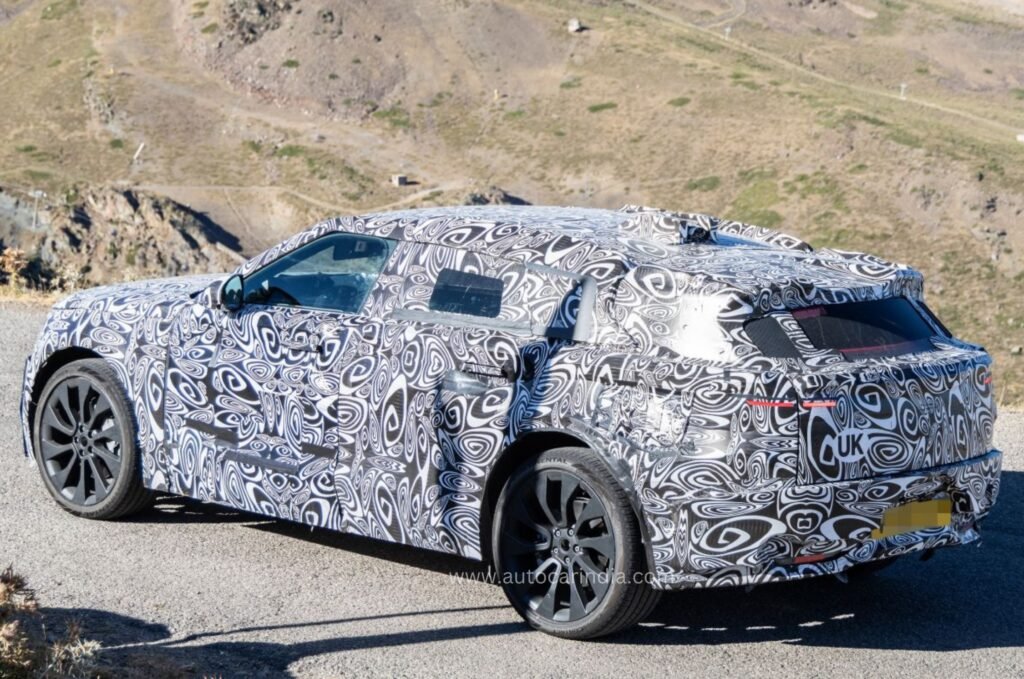
The latest spy photos show a mule vehicle heavily camouflaged but giving clear hints about the shape and direction of the electric Velar.
Important Visual Cues
Design focuses on electric: The test vehicles don’t have regular exhaust outlets, which clearly suggests that they have a purely electric powertrain.
Reports say that the upcoming Velar will be constructed on Jaguar Land Rover’s new Electrified Modular Architecture (EMA). This is a special EV platform that can handle 800V electrical architecture, bigger batteries, and fast charging.
Smooth panels and aerodynamic aids: You may expect flush door handles, narrow panel gaps, and aerodynamic changes under the skin. These are all things that EVs that want to go as far as possible have in common.
Even if the prototypes are hidden, fans may see small clues like the sleek outlines of the headlights, the closed front grille region, and the sharper body lines compared to the old petrol/diesel Velar.
Platform & Electrification
Electrified Modular Architecture (EMA)
Jaguar Land Rover’s next-generation electric vehicle architecture is called the EMA platform. It was made to compete with the EV platforms that Tesla, Mercedes-Benz, and BMW utilize. This means:
The 800V electrical system lets you charge your phone very quickly, like many high-end EVs.
Battery capacity of more than 100 kWh, which lets you drive longer distances.
Dual motor all-wheel drive (AWD) systems that might provide base EV trims more than 500 horsepower (hp).
A modular design structure means that in the future, Volvo, Jaguar, and Land Rover electric vehicles might all use the same parts.
This change to EMA means that the Velar’s platform will no longer be shared with some petrol and diesel Jaguars. The battery rests flat under the floor, thus the EV version will probably have superior packaging efficiency, a lower center of gravity, and more room inside.
Expected Battery & Range
Recent reports from car-related websites say:
Estimated battery size is at least 100 kWh.
Range: It could have a WLTP range of more than 600 km, which would be a huge improvement over many other EVs on the market.
Charging: The Velar EV should be able to handle ultra-fast DC charging thanks to its 800V architecture. In the best conditions, it could charge from 10% to 80% in about 30 minutes.
If these numbers are correct, the Velar EV might have a range in the real world that is as good as that of high-end EVs from Mercedes-Benz, BMW, and Audi.
Expected Power & Performance
Leaked early test specs suggest:
Dual motor AWD means that all-wheel drive is standard.
Power output: In its base EV configuration, it probably has more over 500 hp and torque numbers that might well go over 700 Nm.
Speed: If modified for performance, it can go from 0 to 100 km/h in less than 5 seconds.
These numbers would position the Velar EV not just as a luxurious cruiser, but as a performance-oriented SUV in the premium electric segment.
Interior & Tech
Spy photos mostly show the outside, but here’s what we can reasonably expect for the inside and features:
Cabin and Comfort
High-quality materials including exquisite leather, open-pore wood, and brushed aluminum trim.
Next-generation infotainment, perhaps with a big touchscreen, automotive-grade connection, and enhanced digital driver displays.
Large cabin, thanks to the way the EV is packaged and the battery is laid out.
The existing Velar luxury tiers include massaging seats, a panoramic sunroof, Meridian audio, and ambient lighting. The EV version might take these features to the next level.
Advanced Driver Aids
You can expect current ADAS (Advanced Driver Assistance Systems) to include:
Cruise Control That Adapts
Lane Change Assist and Lane Keep Assist
Help at intersections
Recognizing traffic signs
Braking automatically in an emergency
This would enable the Velar EV compete with other high-end electric vehicles, such the Mercedes EQE SUV and the Audi e-Tron, as well as other high-end electric vehicles that are already on the market or will be soon.
Expected Launch
Several sources say that:
The Velar EV might be shown off before the end of 2026.
Production and distribution will probably start in the first half of 2027.
This schedule fits with JLR’s larger goal of making all of its cars electric, however there have been reports of other delays in the debut of Range Rover-branded electric vehicles.
Expected India Price
Even though the official price for India isn’t out yet, we can make some reasonable guesses:
Depending on the model, the current Velar petrol/diesel in India costs between ₹79.24 lakh and ₹85.90 lakh (ex-showroom).
In India, EVs usually have to pay more taxes and get less subsidies. This means that the Velar EV could cost more than the conventional Velar.
Expect prices to start at ₹1.25 crore to ₹1.6 crore (ex-showroom India) and go up if the car is brought in through CBU means.
These are educated estimations based on how prices for luxury electric vehicles and Range Rover versions that are currently on sale are changing.
| Model | Type | Expected Range | India Position |
|---|---|---|---|
| Range Rover Velar EV | Premium Luxury EV SUV | ~600 km | Flagship EV SUV |
| Mercedes-Benz EQE SUV | Luxury EV SUV | 580–660 km | Strong competitor |
| Audi e-Tron (Next Gen) | Premium EV SUV | ~500–600 km | Rival in range & tech |
| BMW iX5 | Premium EV SUV | ~550–650 km | Competitor |
Quick Facts Sheet
| Detail | Expected Info |
|---|---|
| Platform | EMA EV Architecture (CarHP India) |
| Battery | ~100 kWh + (CarHP India) |
| Range | ~600 km (WLTP) (CarHP India) |
| Power | ~500+ hp (CarHP India) |
| Launch | Late 2026 / 2027 (CarHP India) |
| India Price | ~₹1.25–1.6 Cr (est.) |
| Segment | Premium Luxury EV SUV |
| Rivals | EQE SUV, Audi e-Tron, future BMW EVs |