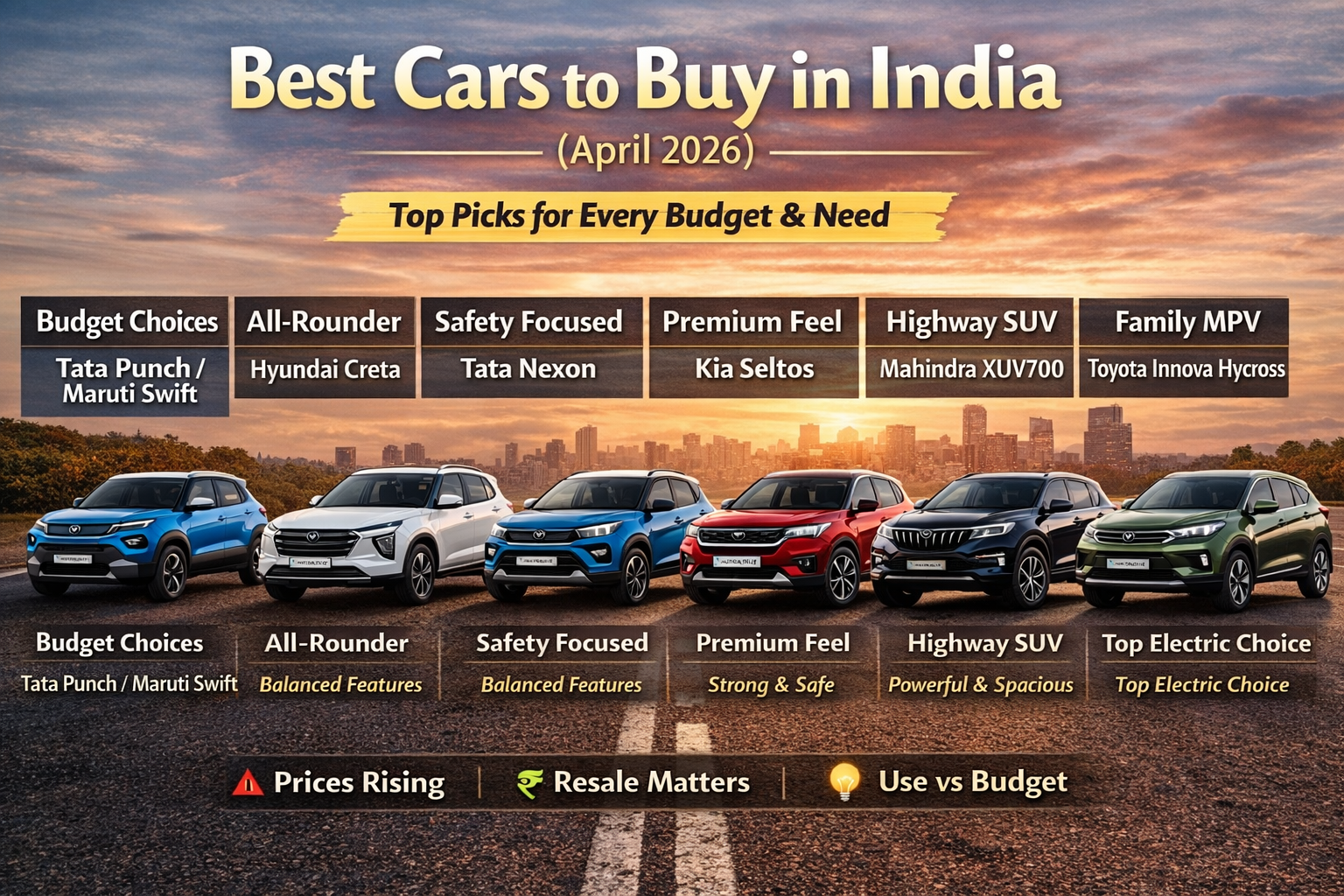
Buying a car in 2026 isn’t as simple as picking what looks good or what your friend recommends. Prices are going up, new models are coming in fast, and electric cars are slowly becoming a real alternative. If you don’t choose carefully right now, you might end up overpaying or buying something that feels outdated very quickly.
Recommendation Based on Real Use
If you want the simplest answer:
- Low budget → Tata Punch or Maruti Suzuki Swift
- Best all-rounder → Hyundai Creta
- Safety focus → Tata Nexon
- Premium feel → Kia Seltos
- Highway SUV → Mahindra XUV700
- Family use → Toyota Innova Hycross
- EV option → Tata Nexon EV
What’s Going On in the Market Right Now
There are two clear things happening at the same time.
First, car prices are increasing. Brands like Mahindra & Mahindra have already raised prices this month, and others are following the same pattern. So waiting too long can actually cost you more.
Second, the market is shifting toward EVs, but not fully there yet. Petrol and diesel cars still make sense for many people, especially if you drive long distances.
So the smart approach right now is simple:
Buy based on your usage, not trends.
Why April 2026 Is a Tricky Time to Buy a Car
Right now, the Indian car market is in a transition phase. Prices are increasing across brands like Mahindra & Mahindra due to rising costs, while at the same time new models and EVs are entering the market.
That creates a strange situation.
If you wait, you might get better tech.
If you delay too much, you will likely pay more.
So instead of guessing, the smarter way is to focus on real value, not hype.
Under ₹10 Lakh – Simple and Reliable Choices
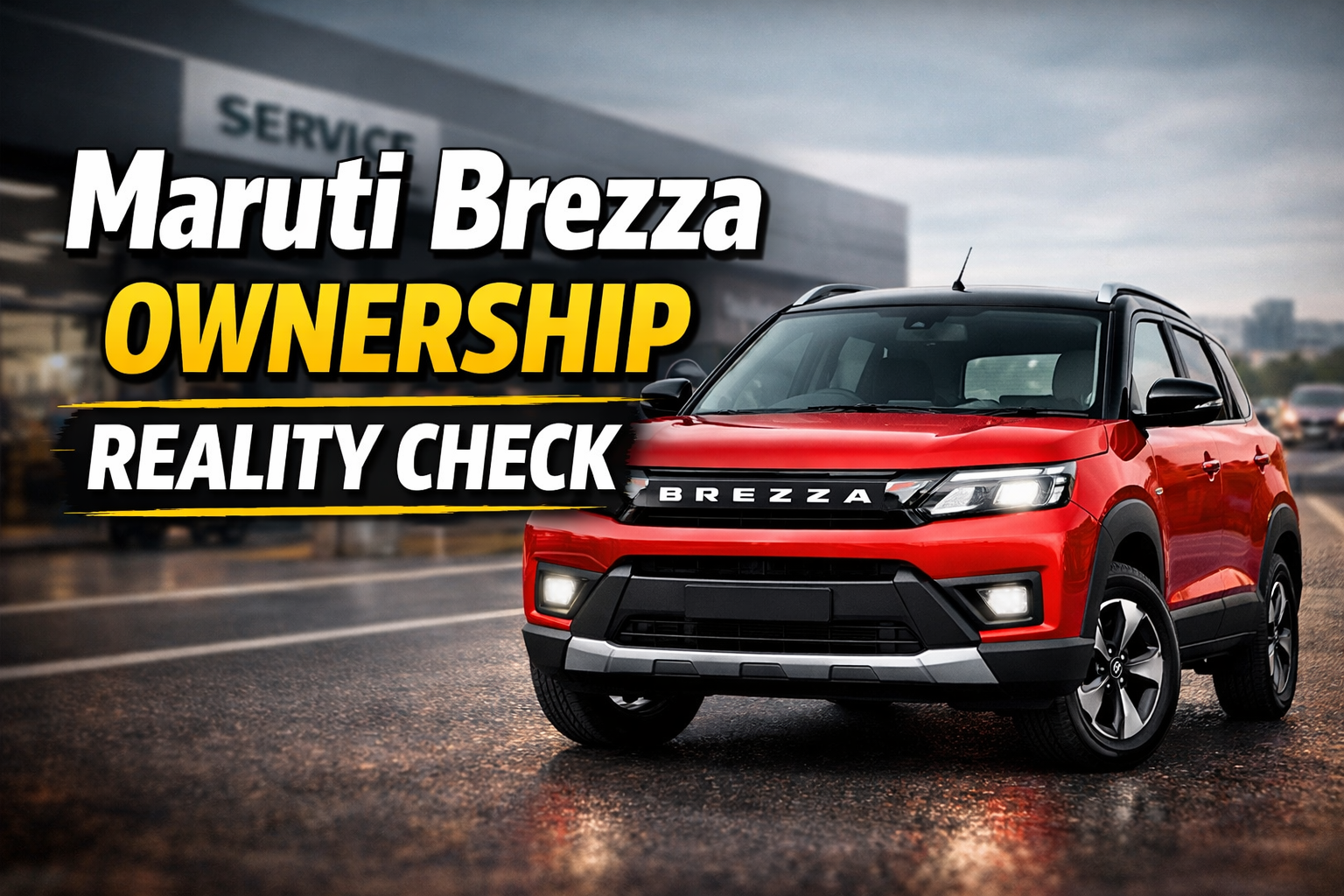
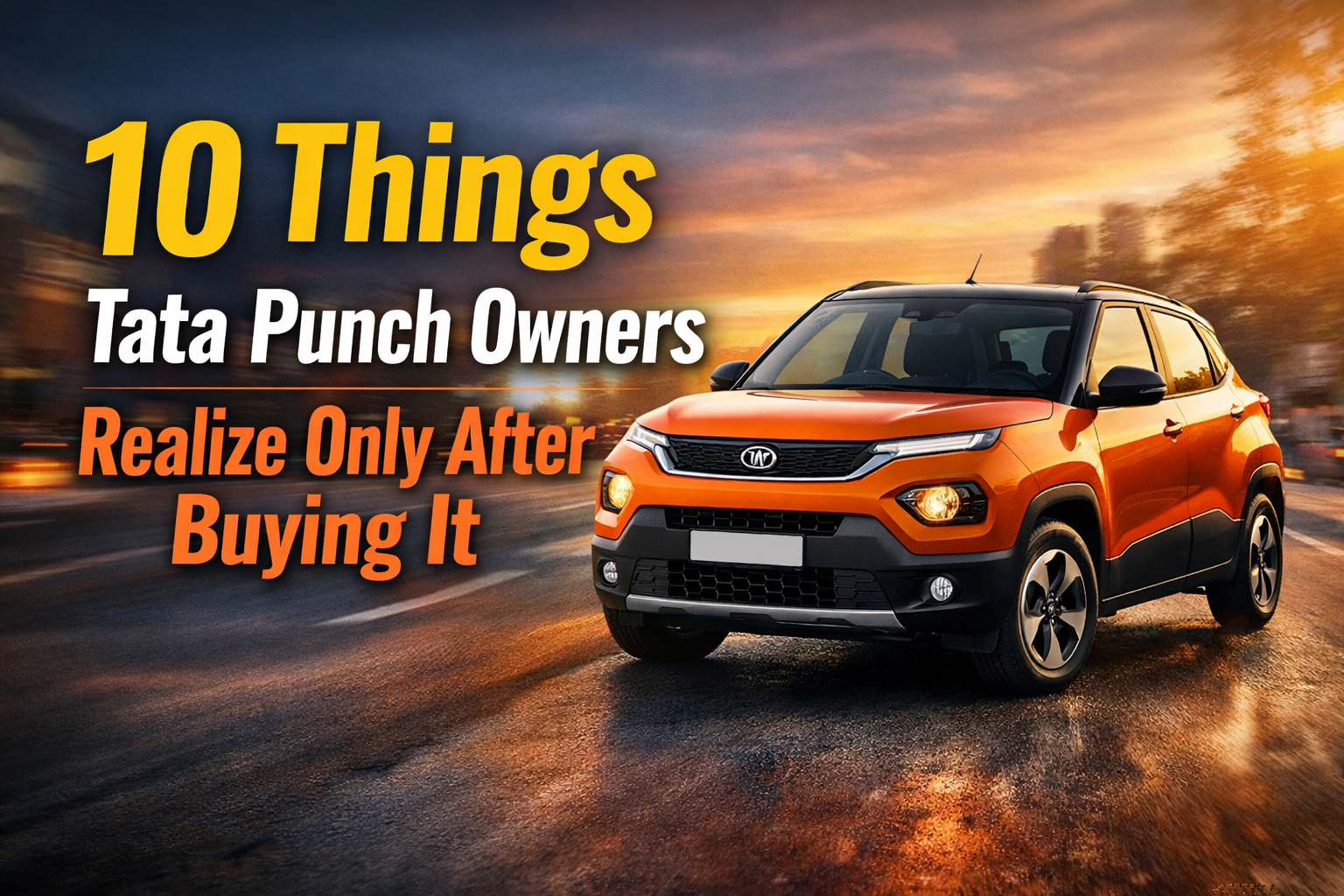
Tata Punch
If your budget is tight and you want something that feels a bit like an SUV, the Punch is a solid option.
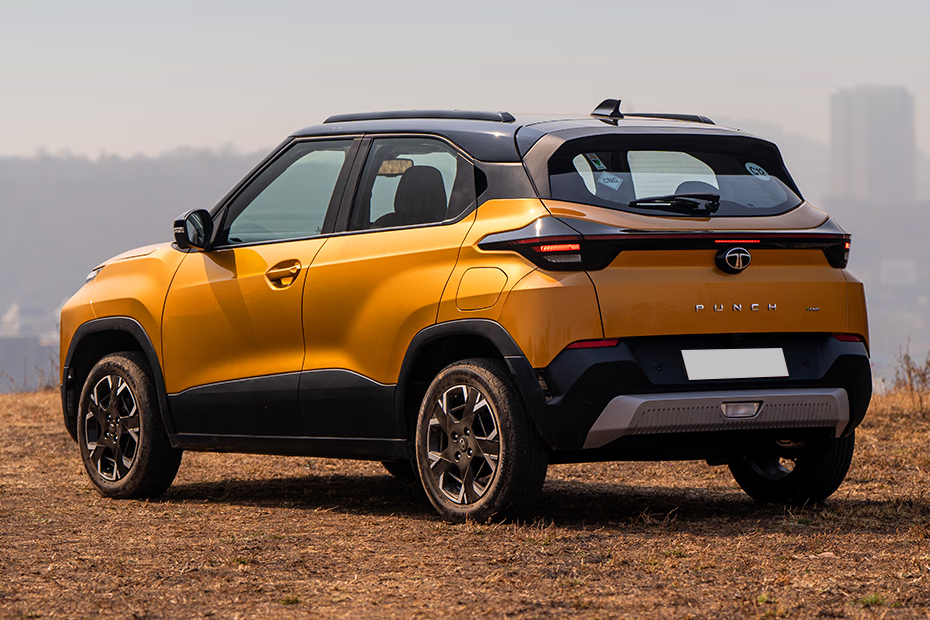
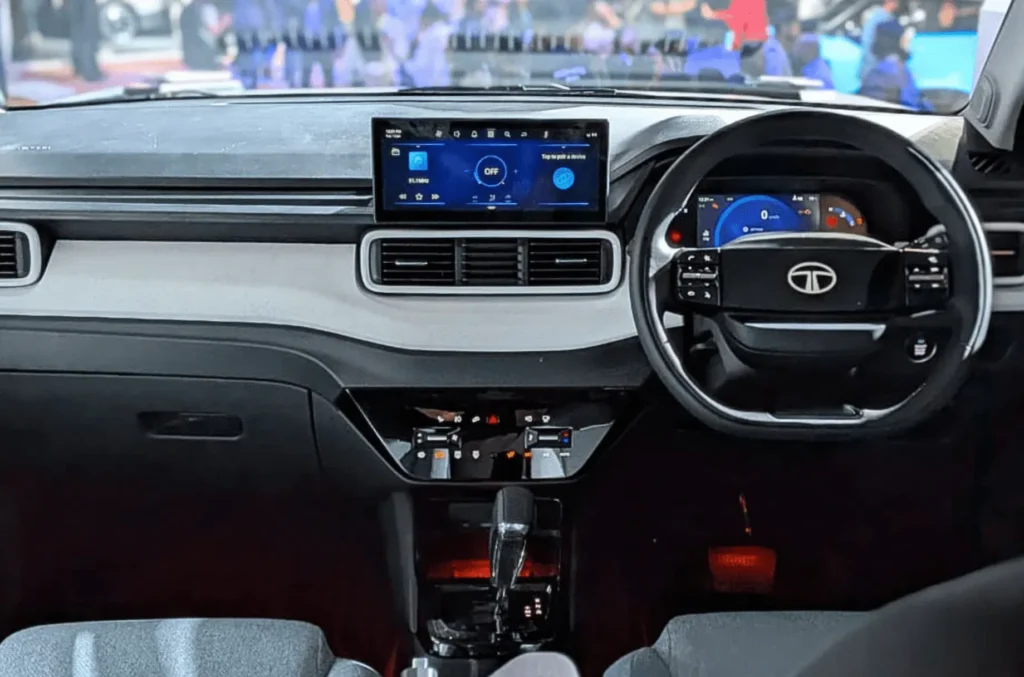
It’s easy to drive, sits high, and feels stronger than most small cars in this range. It’s not very powerful, so don’t expect quick acceleration, but for daily city use it does the job without any issues.
On-road price (Delhi): ~₹7–10 lakh
Mileage: ~20 km/l petrol
Best for: city + rough roads
The Punch works because it solves a very common Indian problem, bad roads and tight streets.
It gives you:
- High ground clearance
- Strong build feel
- Easy driving size
But be clear about one thing. This is not a performance car. It feels slow on highways. If your driving is mostly inside the city, it’s a smart buy. Otherwise, you may outgrow it quickly.
Maruti Suzuki Swift
The Swift is still one of the safest picks in India.
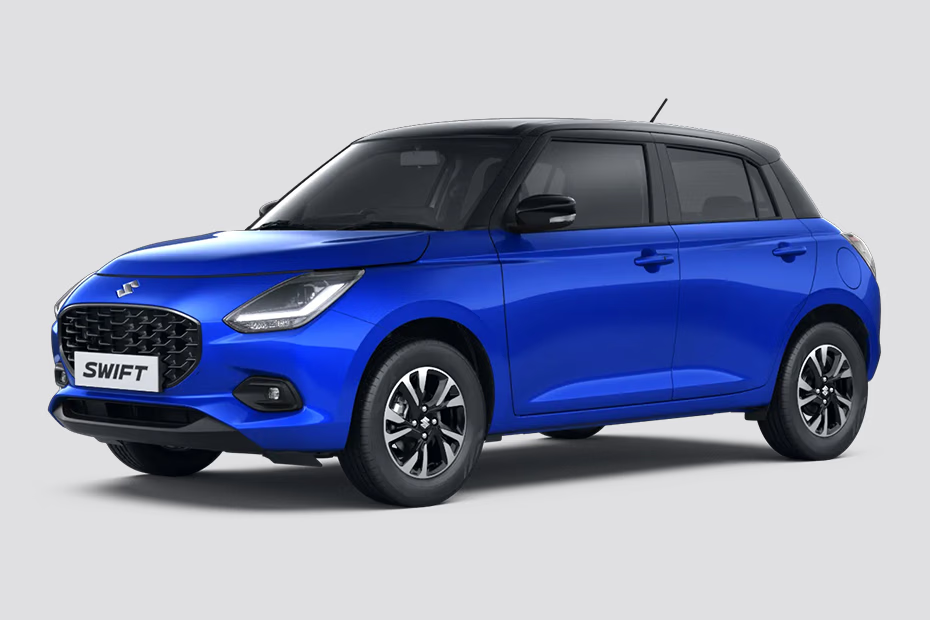
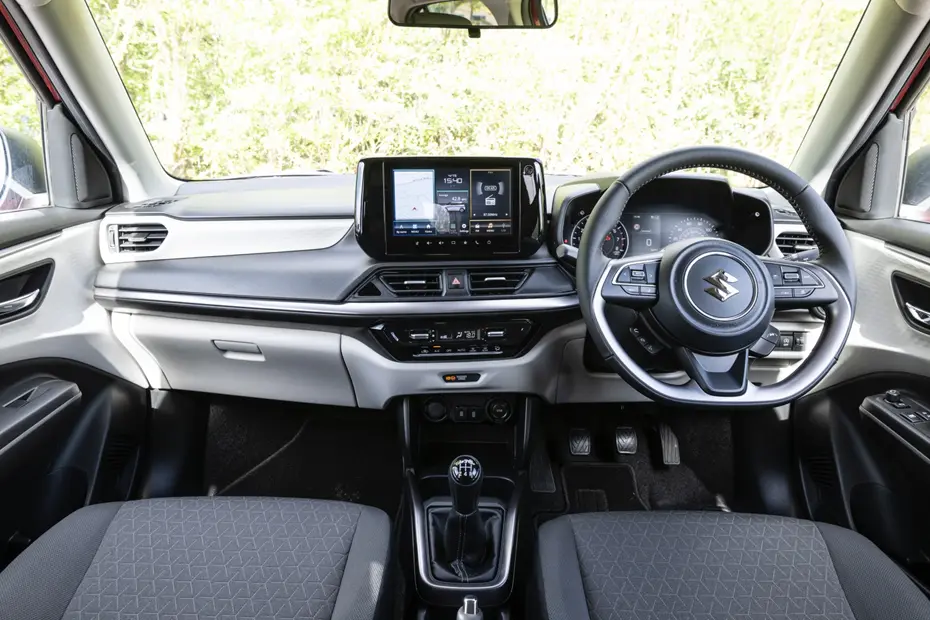
You get good mileage, low maintenance, and service anywhere. It’s perfect if your driving is mostly in the city and you don’t want to deal with high running costs.
On-road price: ~₹7–9.5 lakh
Mileage: ~22–25 km/l
Best for: daily commuting
The Swift is still one of the most practical cars in India.
Why it works:
- Very low maintenance
- Excellent mileage
- Easy resale
It doesn’t feel premium and safety is average compared to Tata, but overall ownership cost is very low. If your goal is “no headache car”, this is it.
₹10–20 Lakh – Where Most People Should Focus
This is the range where you actually start getting complete cars.
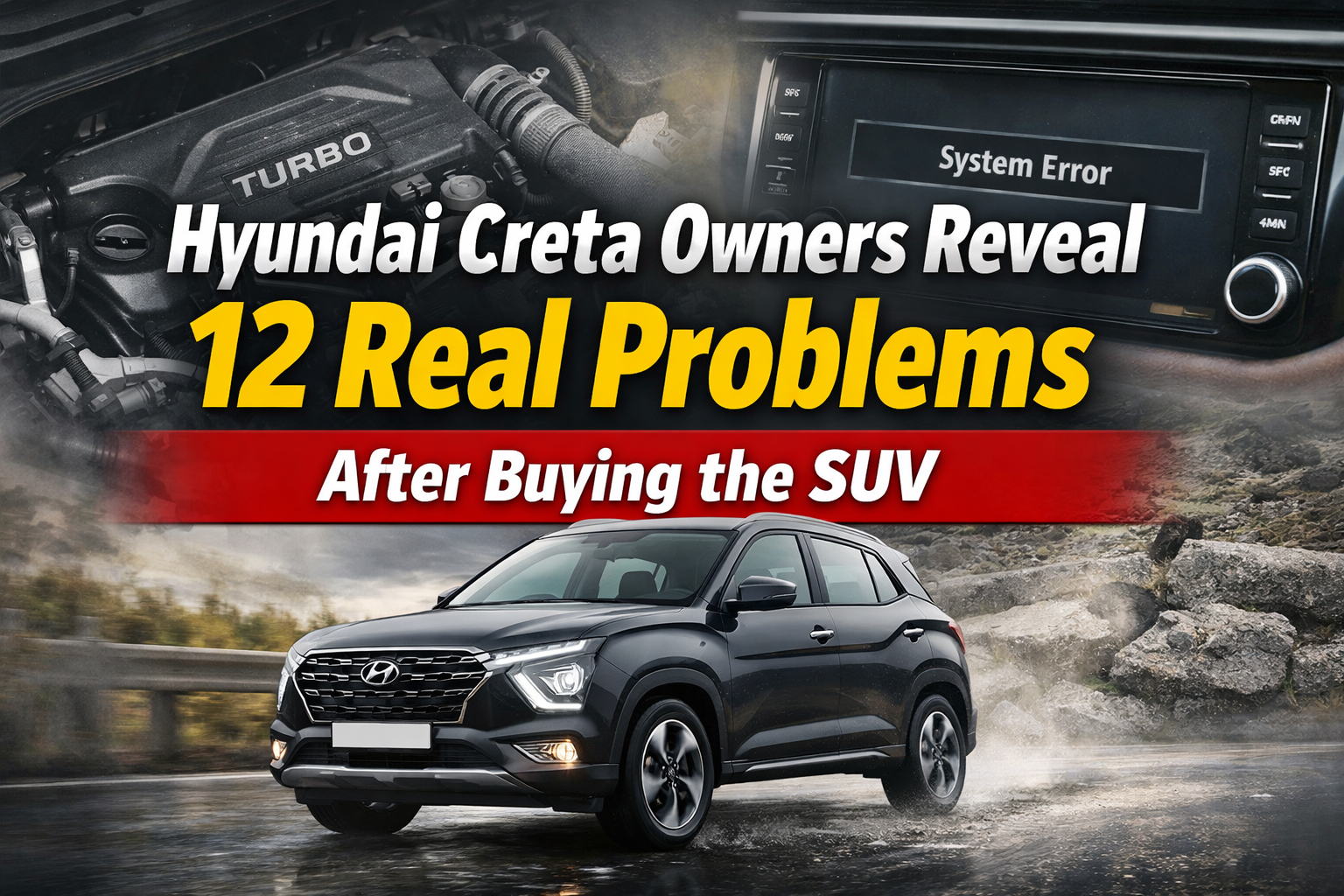
Hyundai Creta
The Creta is the easiest recommendation in this segment.
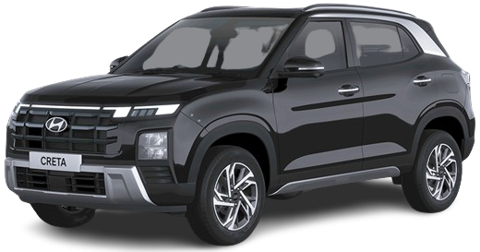
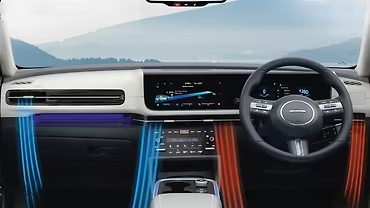
It’s comfortable, smooth to drive, and well built. The interior feels premium enough, and Hyundai’s service network is reliable.
On-road price: ~₹13–20 lakh
Mileage: ~17–21 km/l
Best for: balanced usage
This is where most buyers land, and the Creta makes sense for a reason.
It gives you:
- Smooth engine options
- Comfortable ride quality
- Premium feel inside
There’s no big weakness here. It’s not the safest, not the fastest, but it does everything well. That’s why it sells.
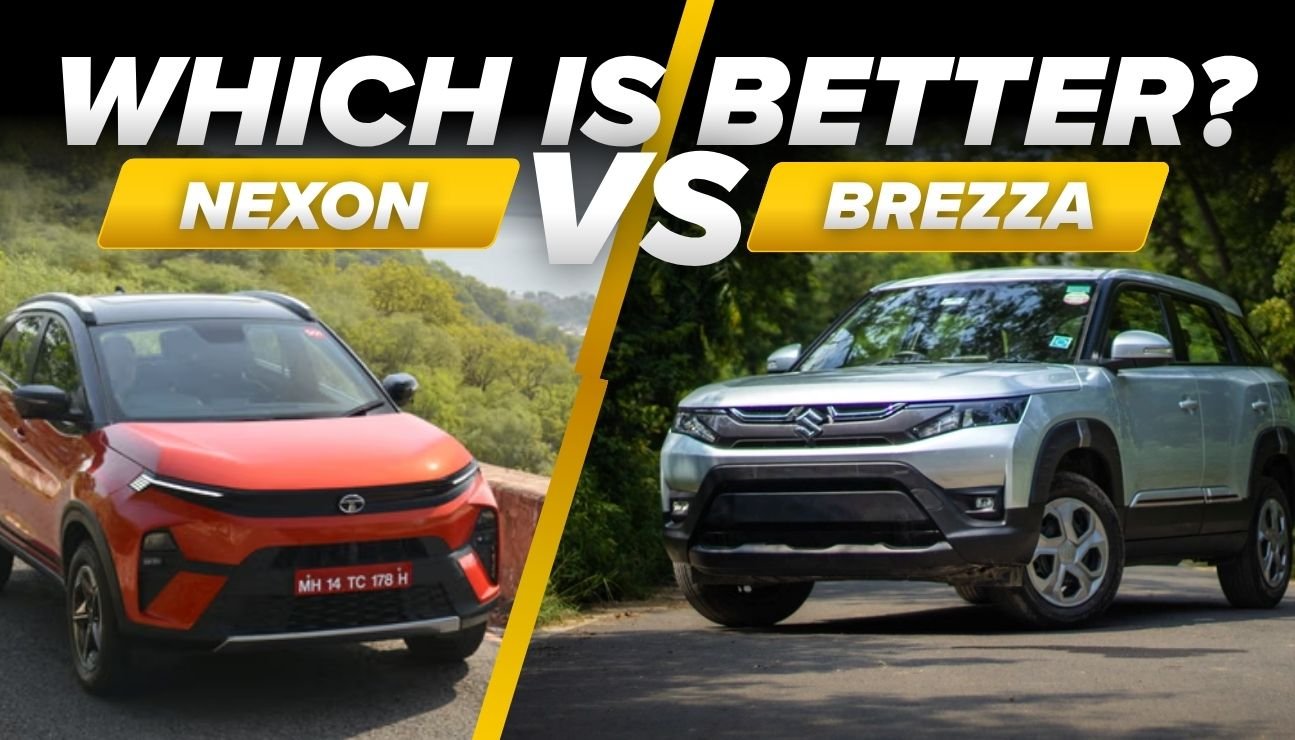
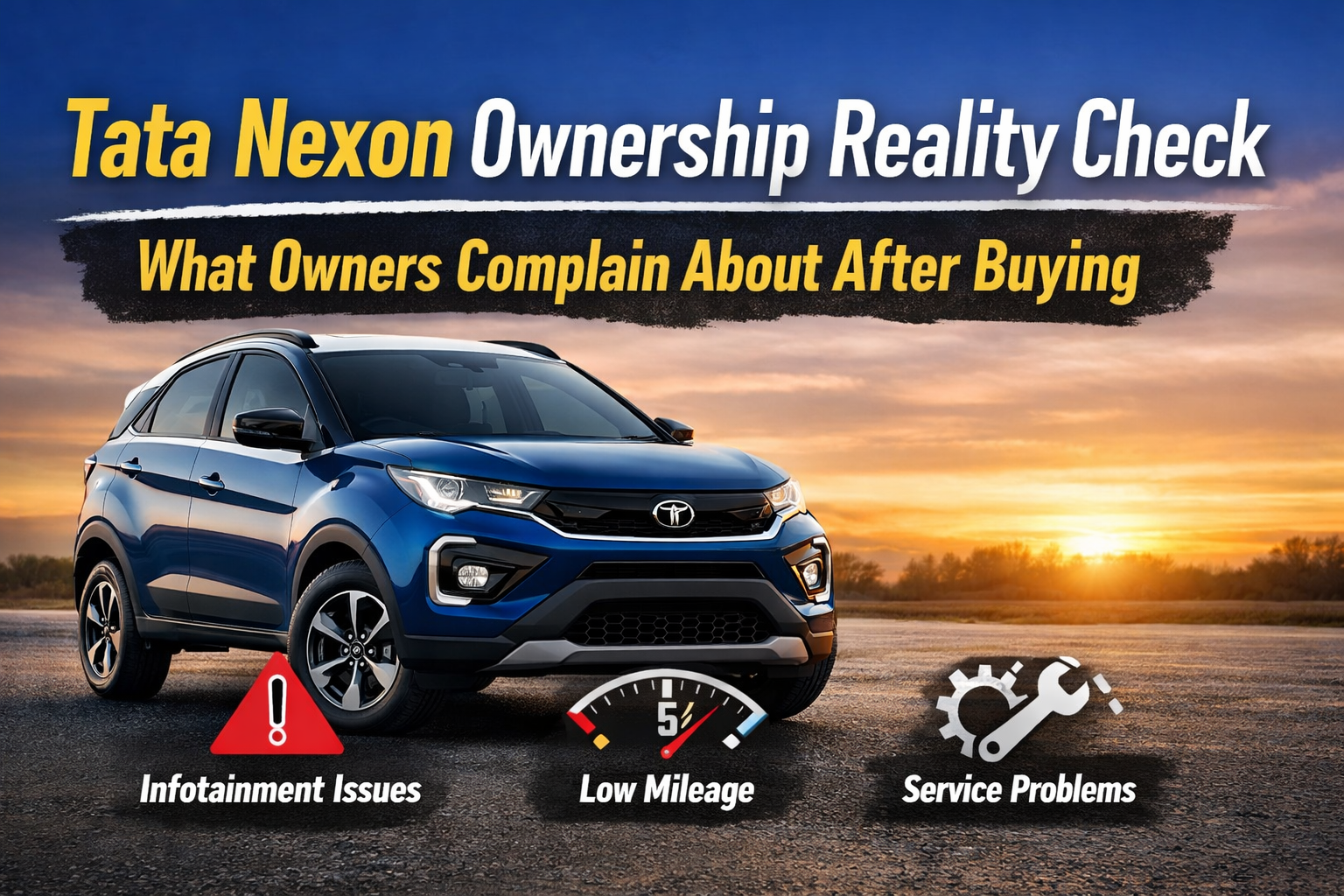
Tata Nexon
If safety matters to you, the Nexon is worth considering.
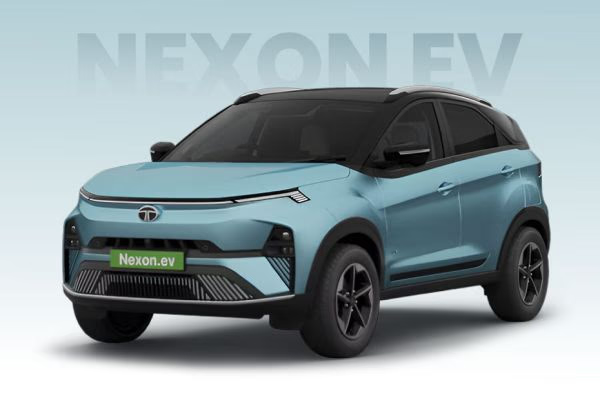
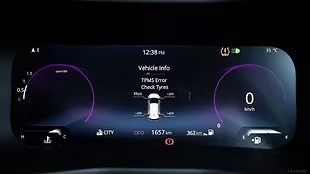
It feels strong, and Tata has built a reputation around that. You also get multiple options like petrol, diesel, and electric, which gives flexibility.
On-road price: ~₹10–18 lakh
Mileage: ~17 km/l petrol
Best for: safety-focused buyers
The Nexon stands out mainly because of safety and build.
What you get:
- Strong crash safety reputation
- Solid road presence
- Multiple fuel options
Downside? Engine refinement is not as smooth as Hyundai. But if safety is your top priority, this is still one of the strongest choices.
Kia Seltos
The Seltos is for someone who wants more features and a more premium feel.
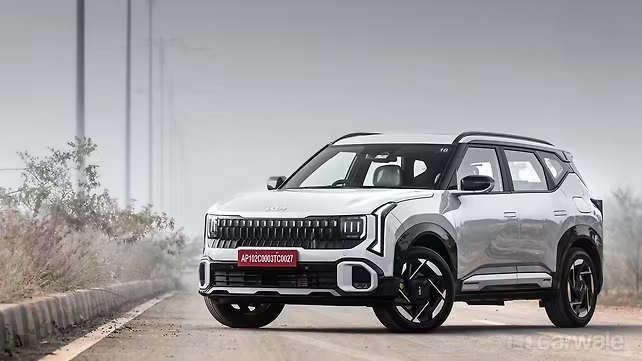
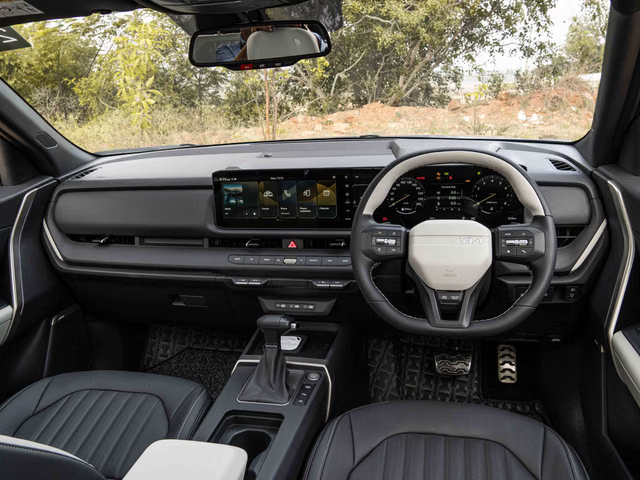
Inside the cabin, everything looks modern and well designed. You get big screens, connected features, and overall a more stylish experience.
On-road price: ~₹13–21 lakh
Mileage: ~17–20 km/l
Best for: features + premium feel
The Seltos is for buyers who care about experience inside the car.
You get:
- Large screens
- ADAS features
- Better interior finish
It feels more premium than Creta, but long-term cost and resale slightly favor Hyundai.
₹20–40 Lakh – Bigger, More Powerful Options
Mahindra XUV700
If you want power and space, the XUV700 is a strong choice.
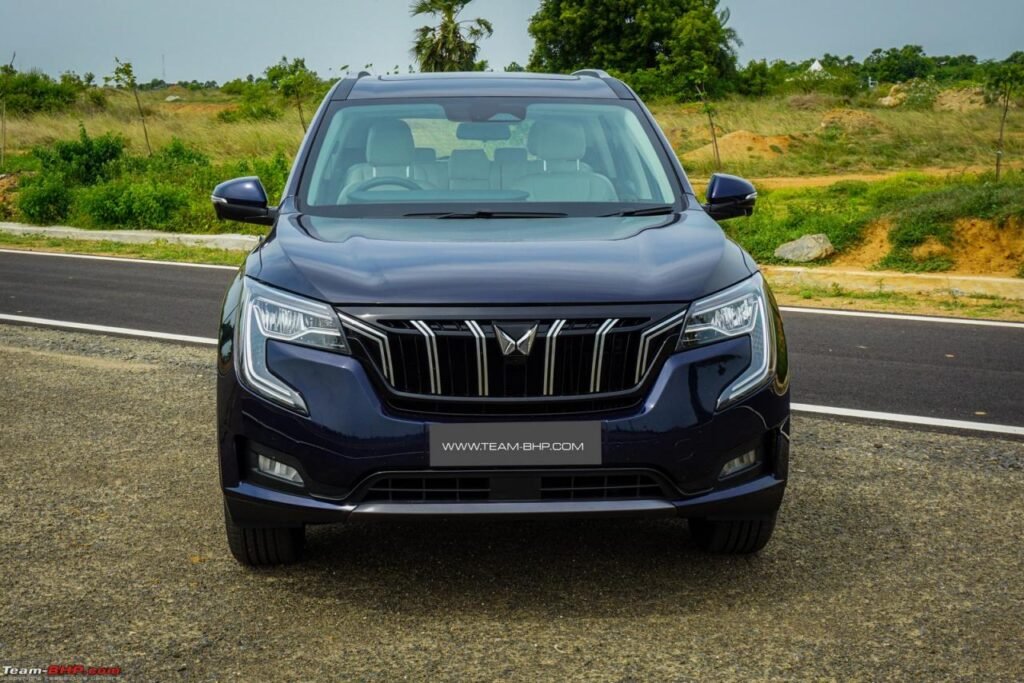
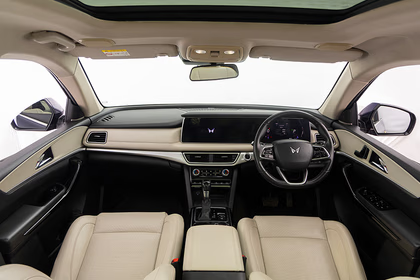
The engines are powerful, and the car feels solid on highways. It also comes with modern features like ADAS, which is still rare at this price.
On-road price: ~₹18–30 lakh
Mileage: ~15–17 km/l
Best for: performance + highway driving
This car gives you a lot for the price.
Key strengths:
- Powerful engines
- ADAS features
- Strong road presence
If you drive on highways often, this feels stable and confident. But city mileage is not great, and size can feel big in traffic.
Toyota Innova Hycross
For family use, this is one of the best options available.
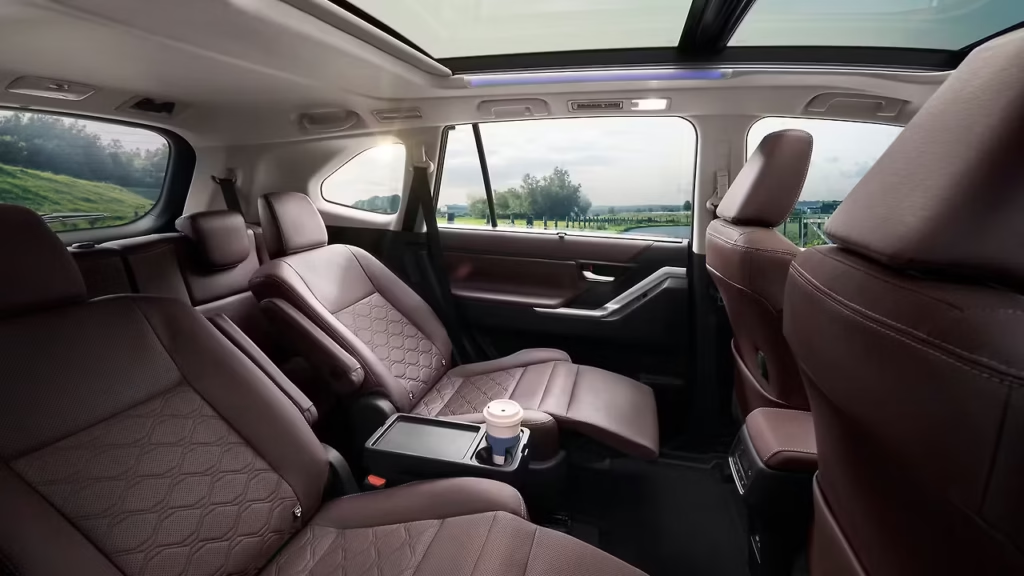
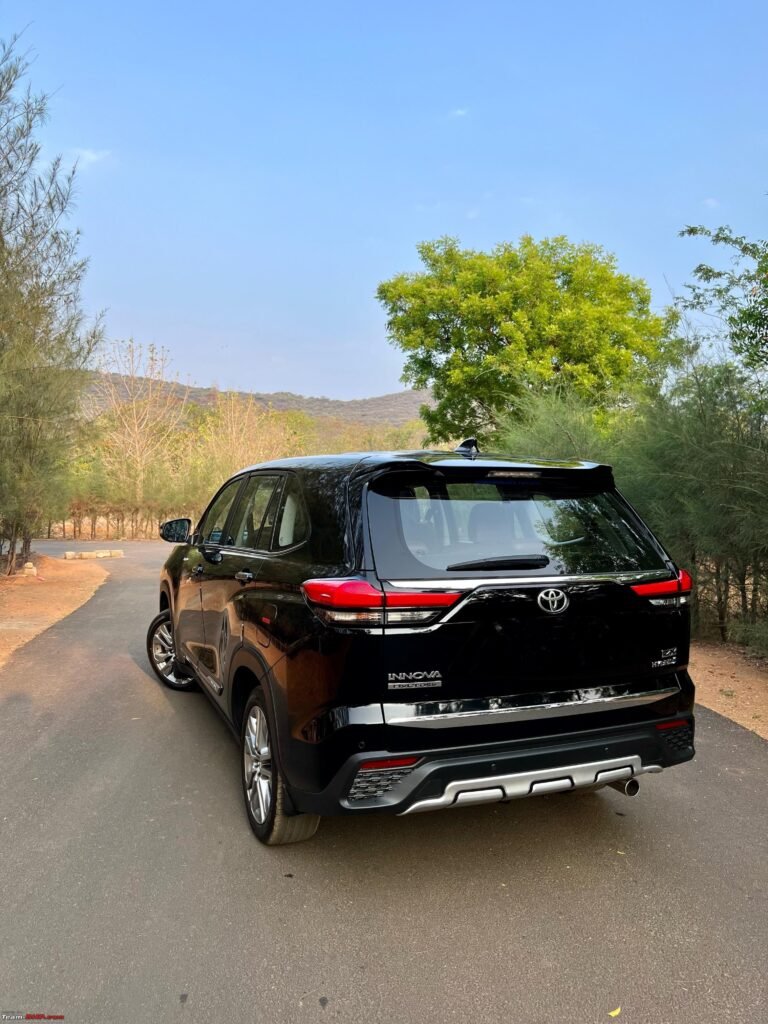
It’s comfortable, spacious, and the hybrid system helps with fuel efficiency. Toyota’s reliability also plays a big role here.
On-road price: ~₹20–35 lakh
Mileage: ~21 km/l (hybrid)
Best for: family + long-term use
This is not an emotional buy. It’s a logical one.
Why people choose it:
- Comfort for 5–7 people
- Hybrid fuel efficiency
- Toyota reliability
If you want something that lasts 8–10 years without trouble, this is one of the safest bets.
Electric Option – If Your Usage Fits
Tata Nexon EV
If your daily driving is within the city, the Nexon EV is worth serious consideration.
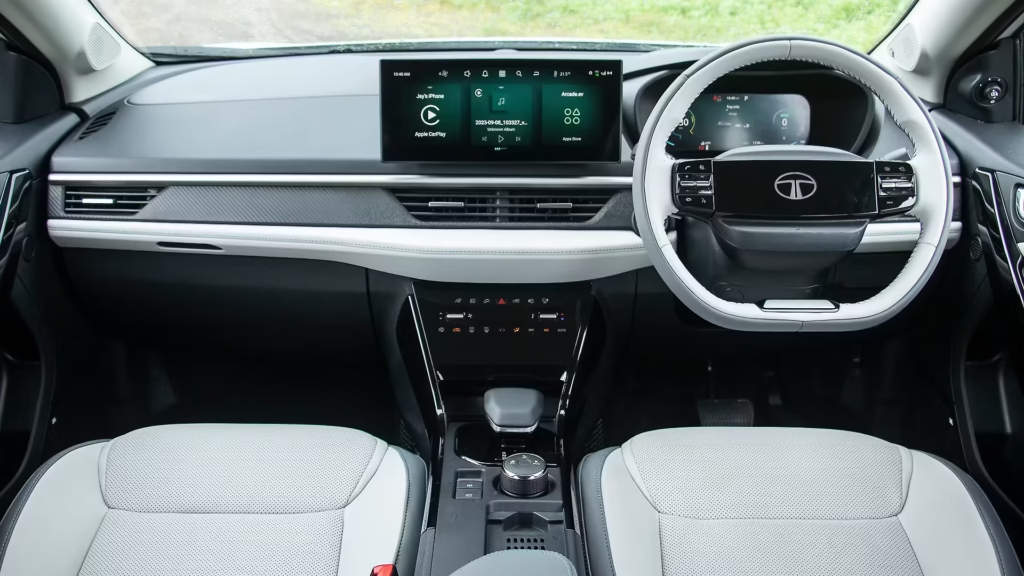
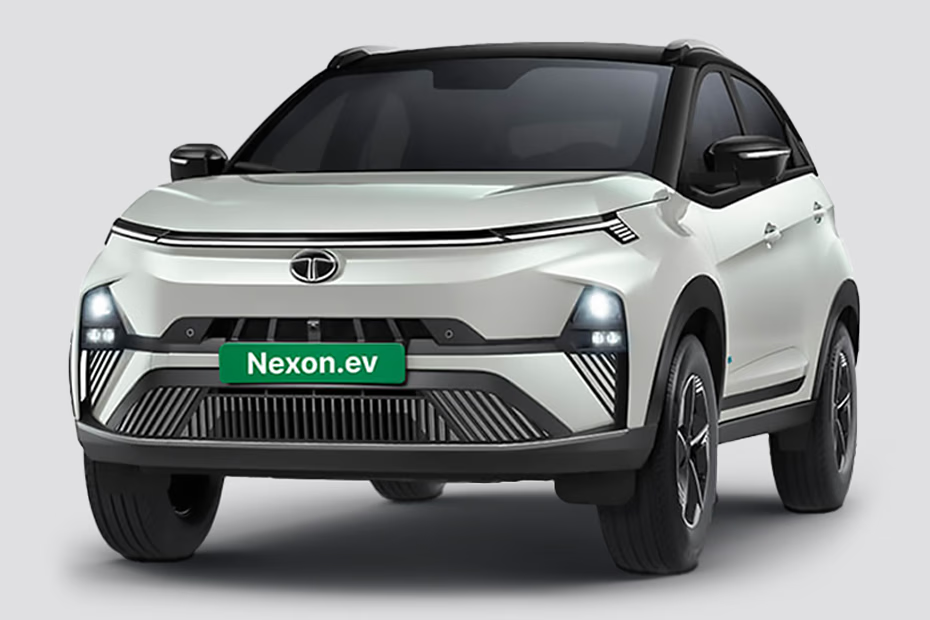
Charging is becoming easier, and the running cost is much lower compared to petrol or diesel.
On-road price: ~₹15–20 lakh
Real range: ~300–400 km
Running cost: ~₹1–2/km
This is currently the most practical EV in India.
Where it makes sense:
- Daily office commute
- City driving
- Predictable usage
Where it doesn’t:
- Long highway trips without planning
EVs save money over time, but only if your usage fits.
Real Market Insights Most Buyers Miss
1. Price hikes are real
Every few months, prices are increasing. Waiting without reason can cost you ₹20K–₹50K extra.
2. Resale still matters a lot
Maruti, Hyundai, Toyota hold value better than most others.
3. Features vs long-term cost
More features look attractive, but can increase maintenance later.
4. EV is not for everyone yet
Good for city users. Not ideal for unpredictable travel.
How to Choose the Right Car (Simple Framework That Works)
Before looking at cars, lock these three things:
1. Daily usage (most important)
- Under 30 km daily → EV can make sense
- 30–80 km → petrol or hybrid
- Heavy highway use → diesel or hybrid
2. Ownership period
- 3–4 years → resale value matters
- 5–10 years → reliability matters more
3. Running cost reality (not brochure numbers)
- Petrol: ₹7–10/km
- Diesel: ₹5–7/km
- EV: ₹1–2/km
Most people ignore this and regret it later.
What You Should Decide Before Buying
Before choosing any car, ask yourself three simple things:
How much do I actually drive daily?
If it’s low, EV can work. If it’s high or long-distance, stick to petrol, diesel, or hybrid.
Do I care more about features or long-term cost?
Some cars look better and feel premium, but cost more to maintain.
Am I buying for 3 years or 10 years?
This changes everything. Short-term buyers should focus on resale. Long-term buyers should focus on reliability.