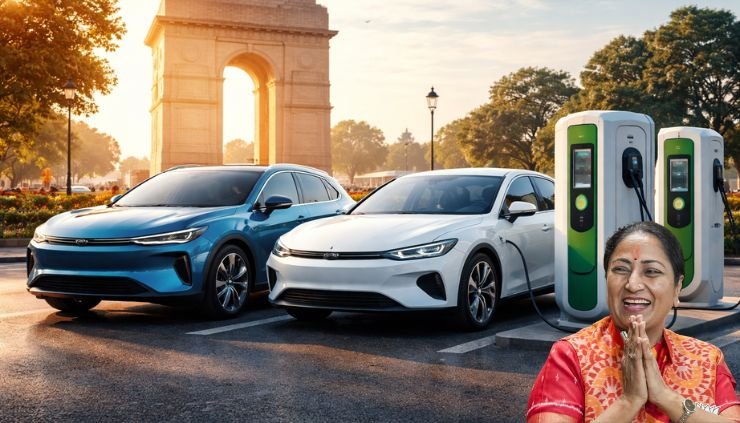
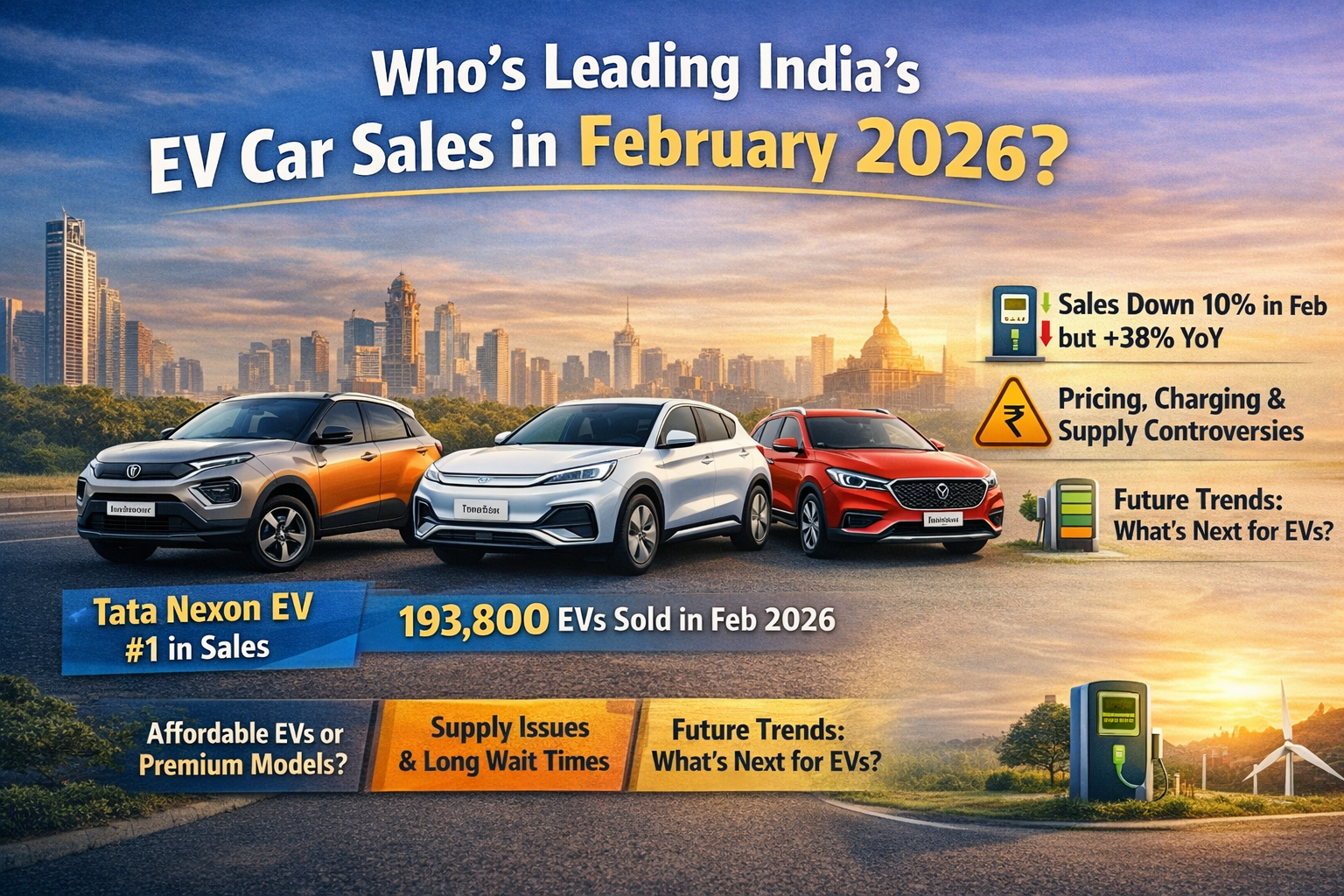
In February 2026, EV registrations fell from the previous month, although they rose strongly from the previous year. The market is still growing, even though it has slowed down in the short term.
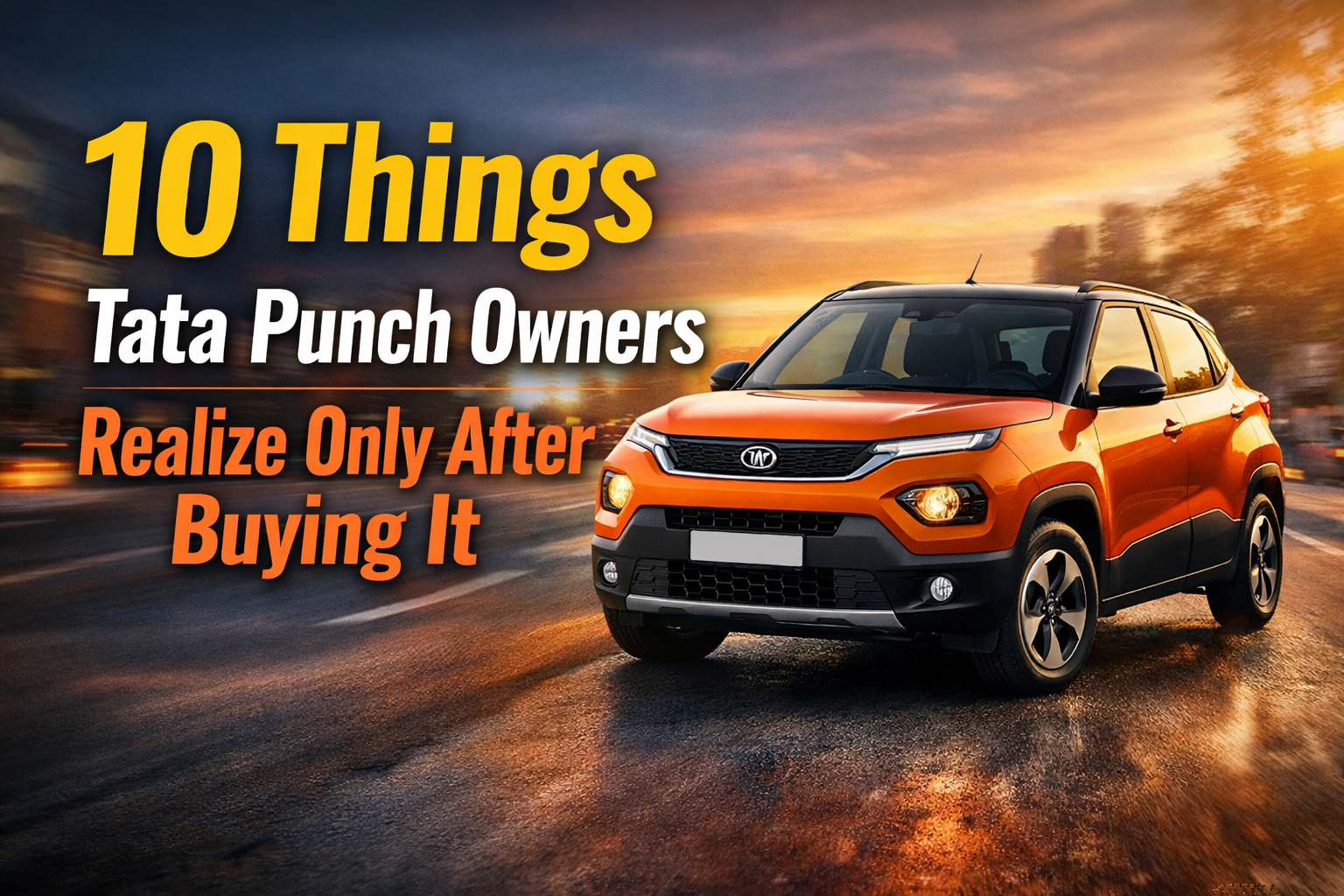
Tata continues to do well with passenger vehicles, and Tata models (especially the Nexon and Punch) were the best-selling cars in February, showing that people want SUVs.
The electric passenger vehicle segment fell more sharply month-on-month than two- or three-wheelers, but remains significantly up versus last year.
BYD is a major competitor in the electric vehicle market around the world and in India. In India, it is still a major participant with high-end models like the Atto 3 and Seal series.
Who led India’s EV car sales in February 2026? Full report
| Car Maker / Brand | EV Cars Sold (Feb 2026) |
|---|---|
| Tata | 5,558 units |
| MG Motor | 3,310 units |
| Mahindra | 2,913 units |
| VinFast | 384 units |
| BYD | 306 units |
| Hyundai | 304 units |
| Kia | 295 units |
| BMW | 245 units |
| Maruti Suzuki | 214 units |
| Mercedes-Benz | 65 units |
| Tesla | 29 units |
| Volvo | 25 units |
| Stellantis | 13 units |
| Porsche | 3 units |
Who’s leading the EV race in India
There are two approaches to answer the question “who’s leading?”
(A) whose brands sell the most EV cars overall, and
(B) which specific models are the best sellers. The headlines for February 2026 say:
A quick look at the brand level:
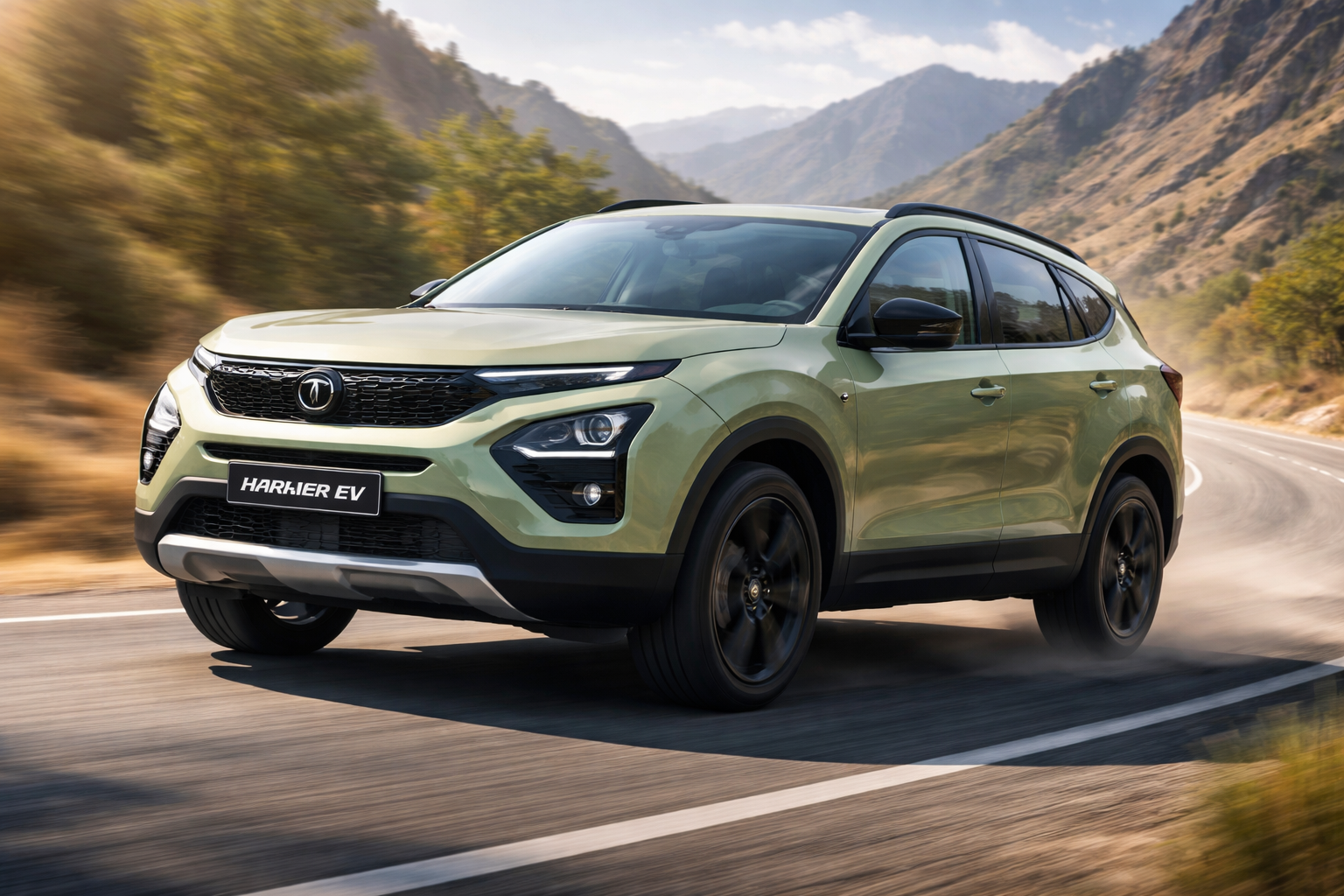
Tata Motors is quite powerful in the passenger car market as a whole (Nexon and Punch are at the top of the sales rankings). Tata’s EV family (Nexon EV, Punch EV, and Harrier-based EVs coming soon) is still a big player in the mass market because of its prices, dealer network, and brand loyalty.
BYD is a big maker of electric vehicles (EVs) around the world. In India, it has models like the Atto 3, Seal, and eMAX that are in the premium-to-mid price range. BYD is growing, but many Indian purchasers are sensitive to pricing. It’s important to keep an eye on BYD’s recent sales drop around the world because it influences supply and price strategies everywhere.
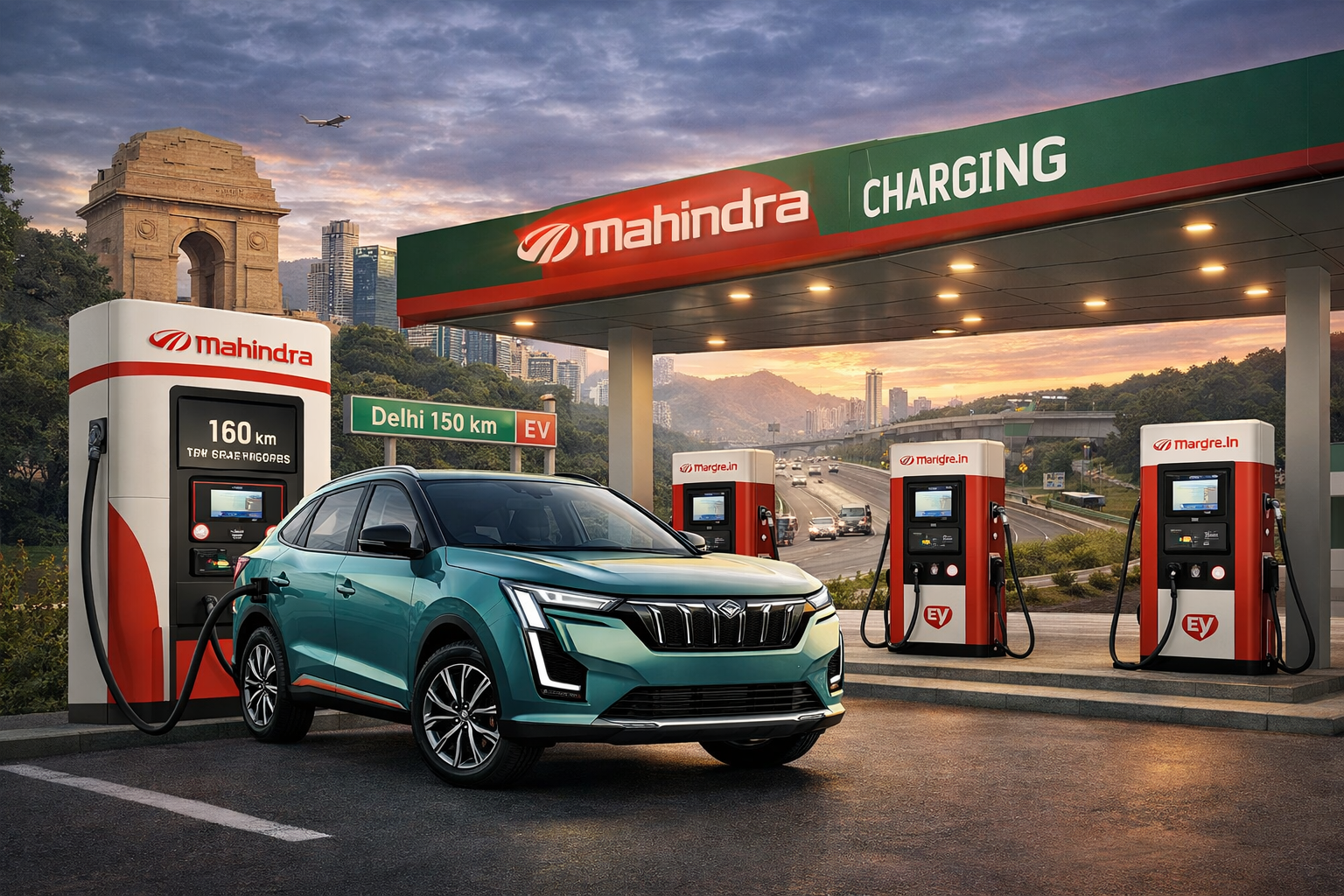
MG, Hyundai, and Mahindra are all active players in the EV market with their own lines of electric vehicles (MG ZS EV, Comet, Hyundai Kona, and Mahindra’s EVs). Some market reports say that Mahindra is getting closer to Tata in terms of overall passenger vehicle shares.
Detailed model-by-model analysis
Tata Nexon EV
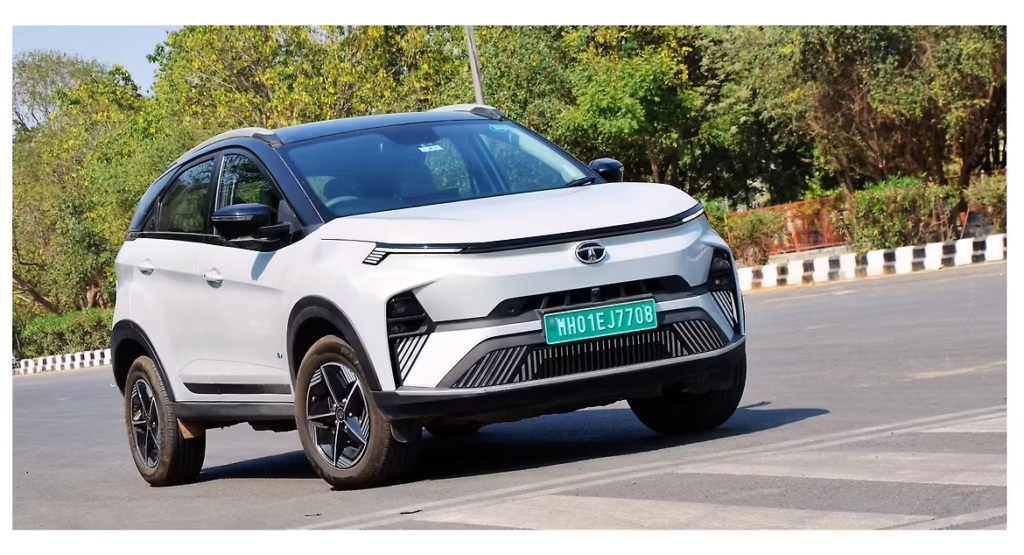
Why it matters: The Tata Nexon series (both the petrol and electric versions) is popular with a lot of people, has a lot of dealers, and is priced competitively for an SUV. February figures reveal that the Nexon (including the ICE variant) is at the top of the overall PV charts. This helps the Nexon EV get more attention and sales.
Price (in the ballpark): The Nexon EV is usually in the affordable EV SUV range for India, with prices ranging from mid-single-digit to low double-digit lakh rupees on-road, depending on state incentives. (Please ask your local dealer for the actual rates for ex-showroom and on-road.)
Demand and waiting: High, many dealers said they had waiting lists for several trims in 2025–26. Deliveries have gotten better, but they vary by city.
Key pros: well-known brand, good service network, and good value for money EV range.
Be careful: Dependence on charging infrastructure (charging at home or work makes a major difference), and some purchasers prefer more range for the same price.
Tata Punch EV
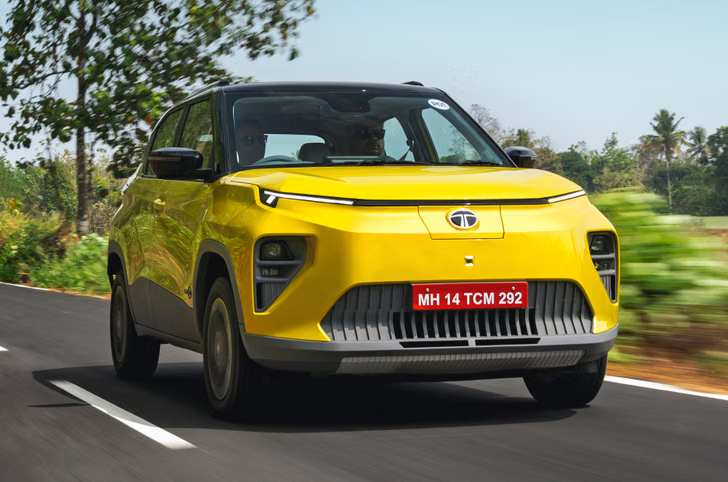
Why it matters: The Tata Punch (a small SUV) also did quite well in the total car charts for February. People who live in cities and fleet operators like the smaller size. Punch EV variations are made for city drivers who want the convenience of a small EV.
BYD Atto 3 (and BYD range)
Why it matters: BYD puts themselves a little above Tata models that are popular with the general public. Buyers who care most about range, features, and quality like the Atto 3, Seal, and bigger SUVs. The price of BYD’s cars in India puts them in the premium small to mid-luxury range.
Price (in general): The Atto 3 ex-showroom is often quoted to be in the ₹25–34 lakh range. The Seal and bigger variants are substantially more expensive. (Prices vary depending on the trim and battery options.)
Demand and the global context: There were several reports about BYD’s global sales being very unstable, which is important for planning on the supply side. But BYD’s operations in India had grown every year since 2025 and were still vital for the company’s international expansion.
MG, Hyundai, Mahindra EVs
MG: Focus on the ZS EV and newer compact versions; these are popular with purchasers who seek packages with plenty of features.
Hyundai’s hybrid and electric vehicle strategy is changing, and the Kona and other vehicles are being spoken about.
Mahindra: An Indian company that has been around for a long time and is adding more electric vehicles to its lineup. Reports say that Mahindra is closing the gap with Tata in several areas.
Prices: what buyers were paying in Feb 2026
Here are some rough ranges for ex-showroom prices (they vary by city and model):
Entry-level and tiny EVs cost between ₹8 and ₹18 lakh. For example, smaller city EVs that aren’t always easy to find in February 2026.
For example, the Nexon EV and Punch EV are mass-market compact SUV EVs that cost between ₹13 and ₹20 lakh, depending on the battery and specification.
Premium compact and mid-size EVs, like the BYD Atto 3, cost between ₹25 and ₹35 lakh.
Large premium EVs (e.g., BYD Seal, Sealion): ₹40 lakh and above
These are only rough estimates. Always check the current prices on the road, the state’s EV subsidies, and the dealer’s offers. The prices that BYD lists for the Atto 3 and Seal series give a good idea of what premium electric vehicles cost in India.
EV Cars in India – Brand vs Units Sold
| Car Maker / Brand | EV Cars Sold (Feb 2026) | Popular EV Models |
|---|---|---|
| Tata Motors | ~5,558 units | Tata Nexon EV, Tiago EV, Punch EV, Harrier EV |
| MG Motor India | ~3,250 units | MG ZS EV, MG Windsor EV, MG Comet EV |
| Mahindra Electric | ~2,796 units | Mahindra XUV 3XO EV (3XO EV & XUV400 family) |
| BYD India | ~290 units | BYD Atto 3, BYD Seal |
| Hyundai Motor India | ~304 units | Hyundai IONIQ 5, Creta Electric variants |
| BMW India | ~245 units | BMW iX1 LWB EV |
| Maruti Suzuki | ~214 units | Maruti e-Vitara EV (new entrant) |
| Mercedes-Benz India | ~48 units | Mercedes luxury EVs |
| Tesla India | ~29 units | Tesla Model Y (imported) |
| Rolls-Royce | ~2 units | Luxury import EVs |