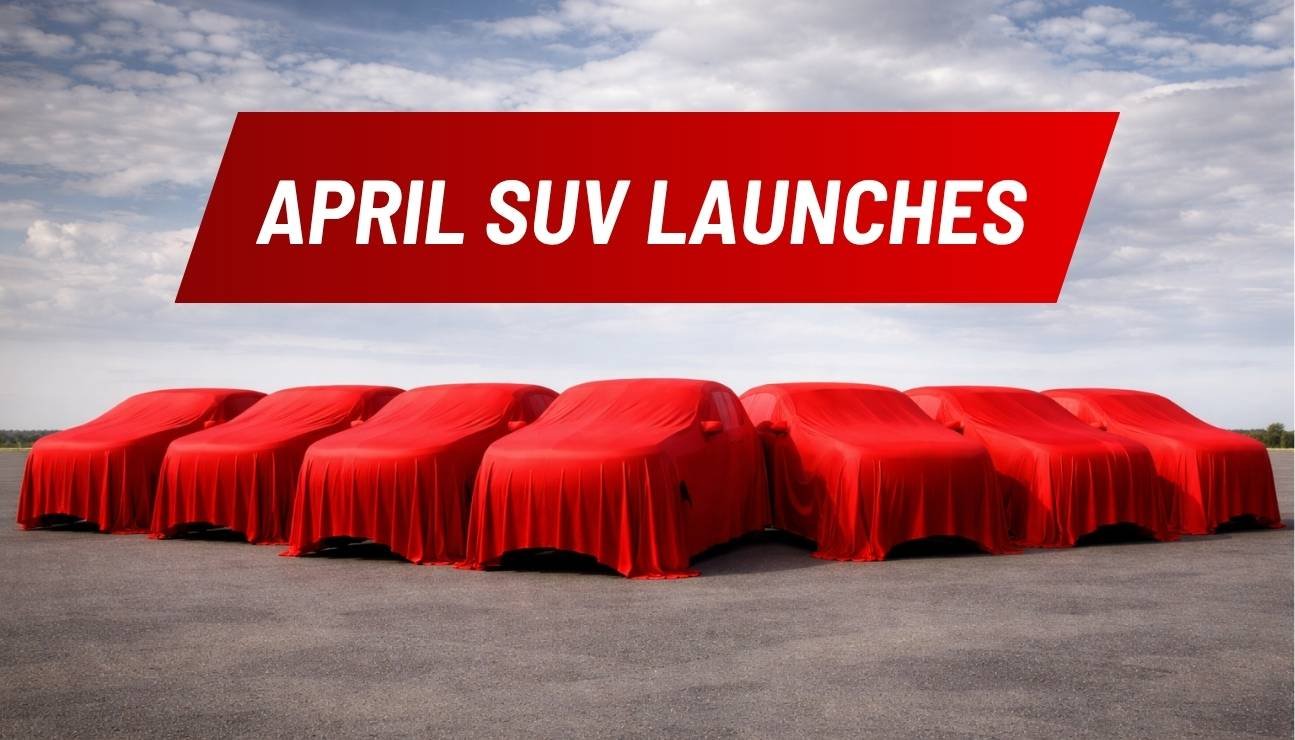
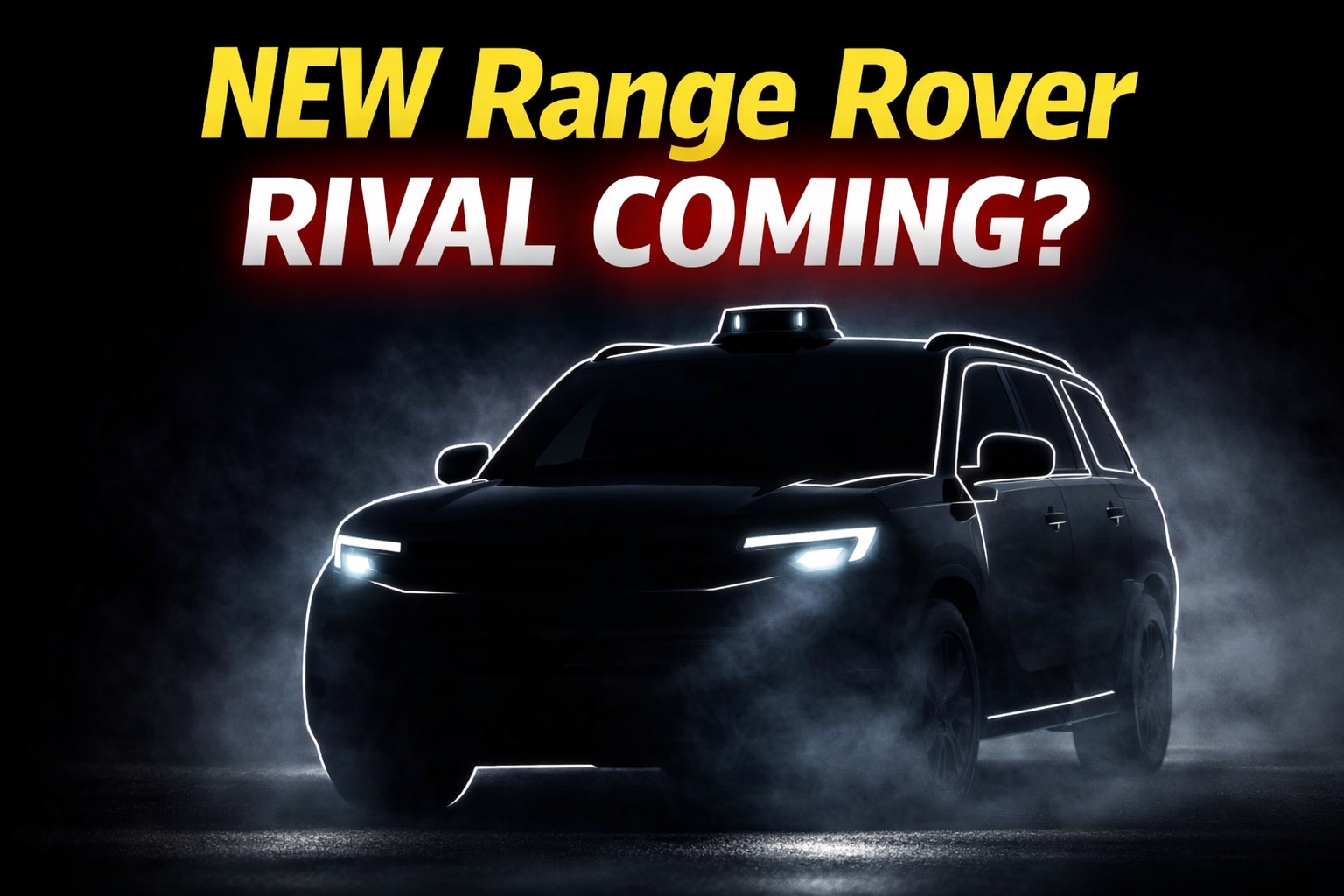
Two well-known SUVs may be leaving, and the new ones are not what anyone expected. The Freelander is coming back as a single model that could replace both the Range Rover Evoque and the Land Rover Discovery Sport.
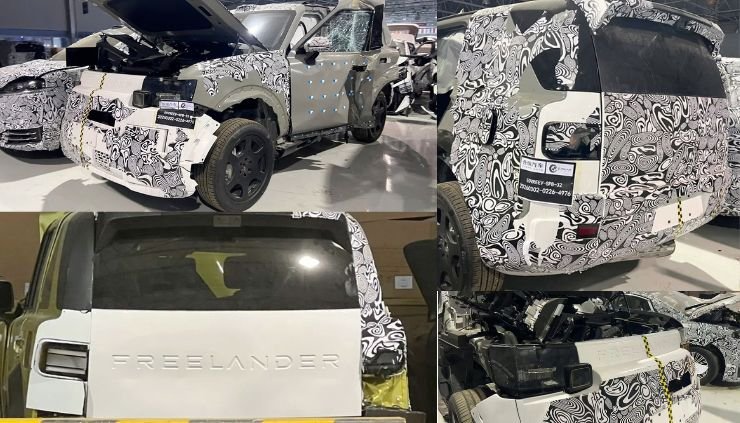
That by itself would have been a big deal. But the most interesting thing about this move is where this new SUV will be parked and how it will be sold. This is not a normal Jaguar Land Rover product.
Not Inside The Lineup
At first, this might sound like a regular update to the model. Get rid of old things, bring in new ones, and move on.
But that’s not what’s going on here. A partnership with Chery is helping to build the new Freelander in a different way. It won’t be part of the well-known Range Rover or Defender families; instead, it will be its own thing.
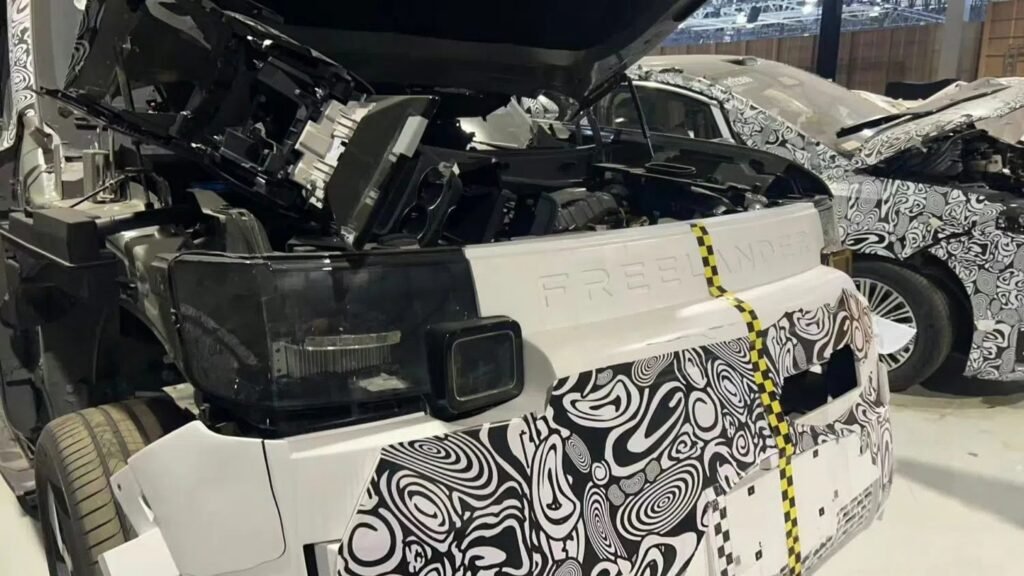
A different identity.
A different network of dealers.
A plan to launch in China first.
This is a big change from how Jaguar Land Rover has always marketed its cars. That brings up a bigger question. Why go this way at all?
Shift Is Not The Car, It Is The Buyer
It’s likely that the answer has less to do with the car itself and more to do with how the market is changing. Today, luxury buyers are not only interested in the brand name. People are starting to care just as much about technology, efficiency, and how easy it is to use. In some cases, even more.
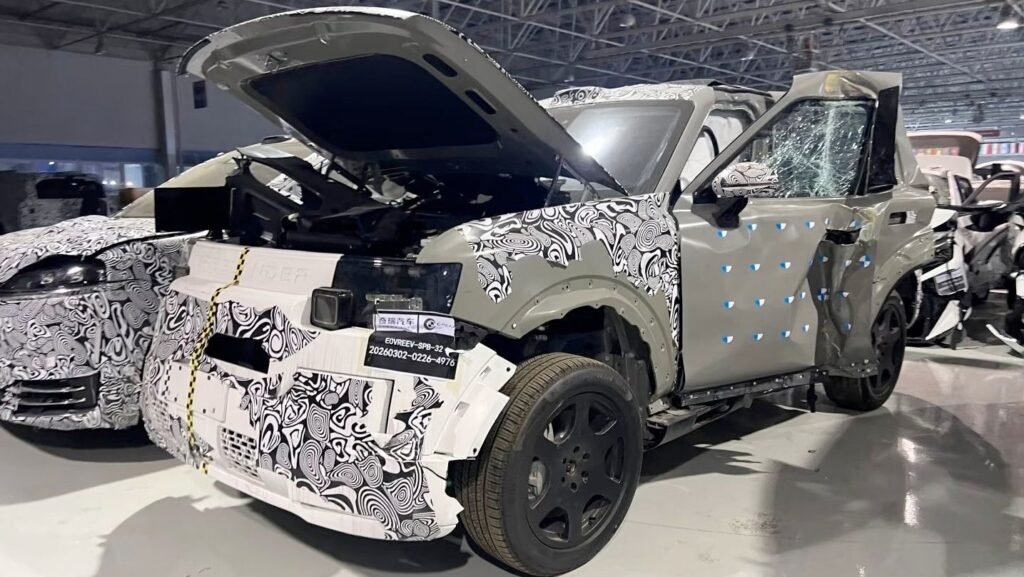
A plug-in hybrid SUV made with a lot of help from Chery is something new. Faster adoption of technology, more digital features, and maybe a lower price. That mix could attract buyers who might not have thought about getting a regular Land Rover at all. The Freelander could reach a whole new group of people instead of just replacing the Range Rover Evoque and Land Rover Discovery Sport.
China First, But Not China Only
The rollout plan says a lot. The Freelander will first be sold in China, which is now one of the most competitive and fast-moving SUV markets in the world. That is where new technology, especially hybrid systems, is being used more and more quickly. But this shouldn’t stay limited to just one area. People are already talking about expanding around the world. And if that happens, things could get tricky.
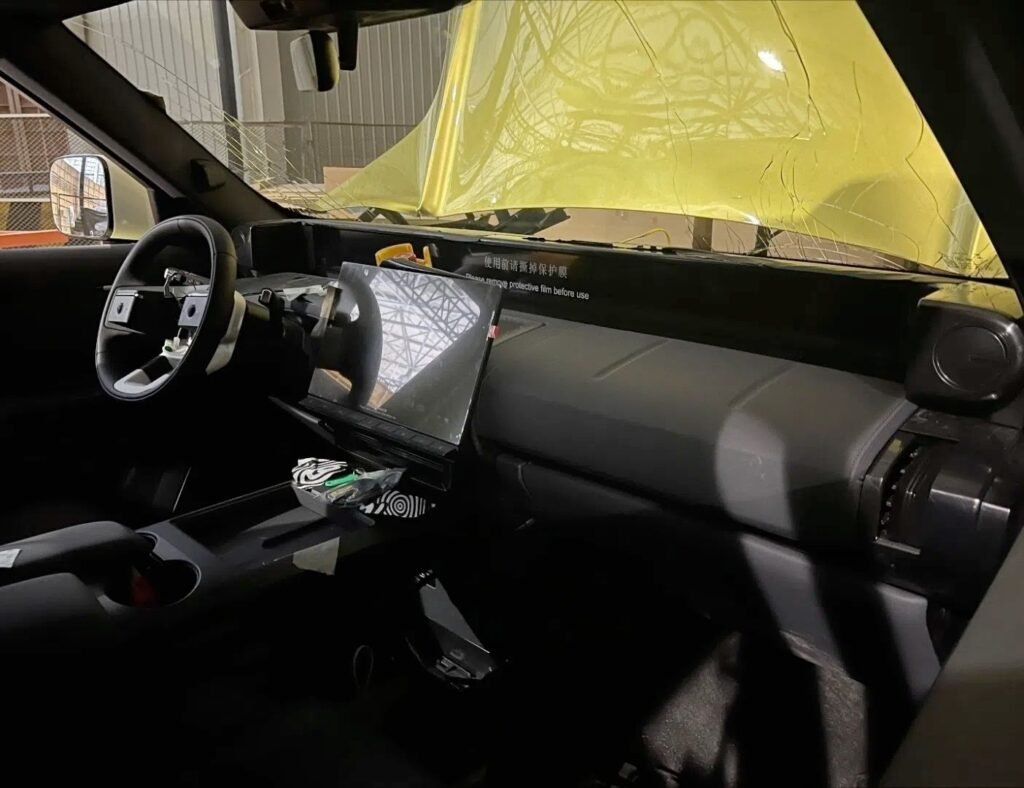
This new Freelander would not only compete with other brands. It might end up competing with models that are already on the market from the same company. That’s when this story turns into something more than just another launch.
A Quiet Test With Big Consequences
It seems more like a strategic experiment than a simple product launch to me.
Can a well-known luxury brand make a new identity for itself while keeping its old one?
Can it draw in a different kind of buyer without hurting its main image?
And can a China-first approach change the way products are made around the world in the future?
The Freelander might be able to answer all of these.
This Is Not Just A Comeback
The return of the Freelander name has nothing to do with nostalgia. It’s about changing. If this plan works, it could lead to more products that don’t fit into the usual brand structures. More partnerships. Positioning that is more flexible. And a very different way to think about what a luxury SUV should be.
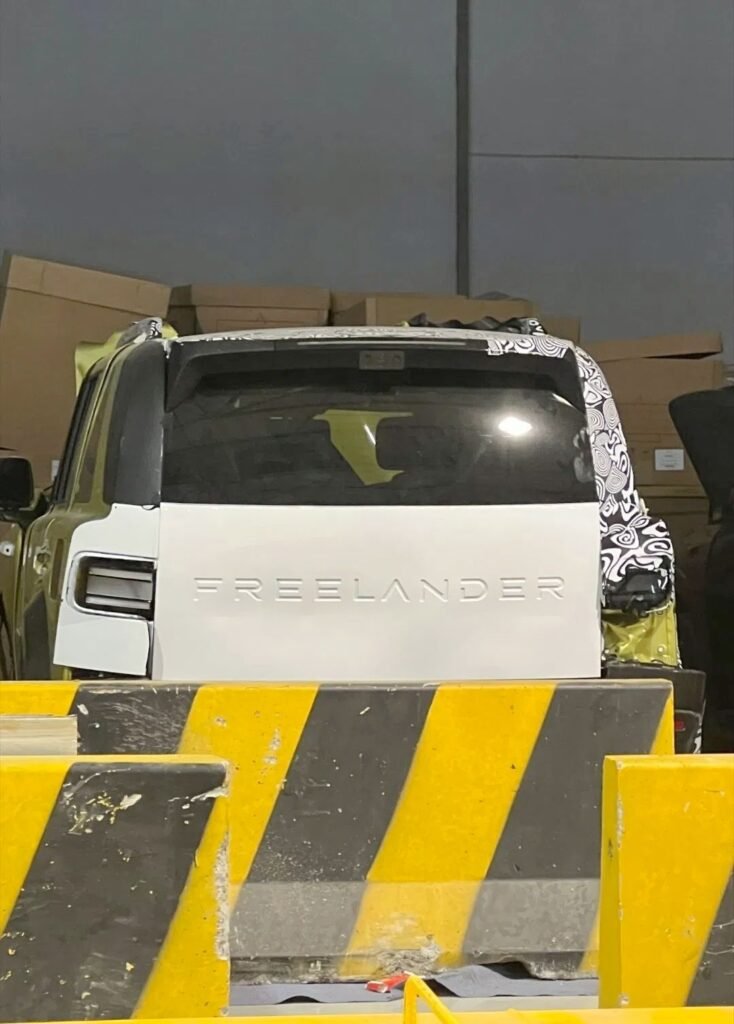
And if it doesn’t, it will still show how quickly this part of the market is changing. In any case, one thing is clear. This isn’t just another SUV release. This is a sign that the rules are changing.